Students’ Voice: English Program at the University of Nebraska
 ad_seka
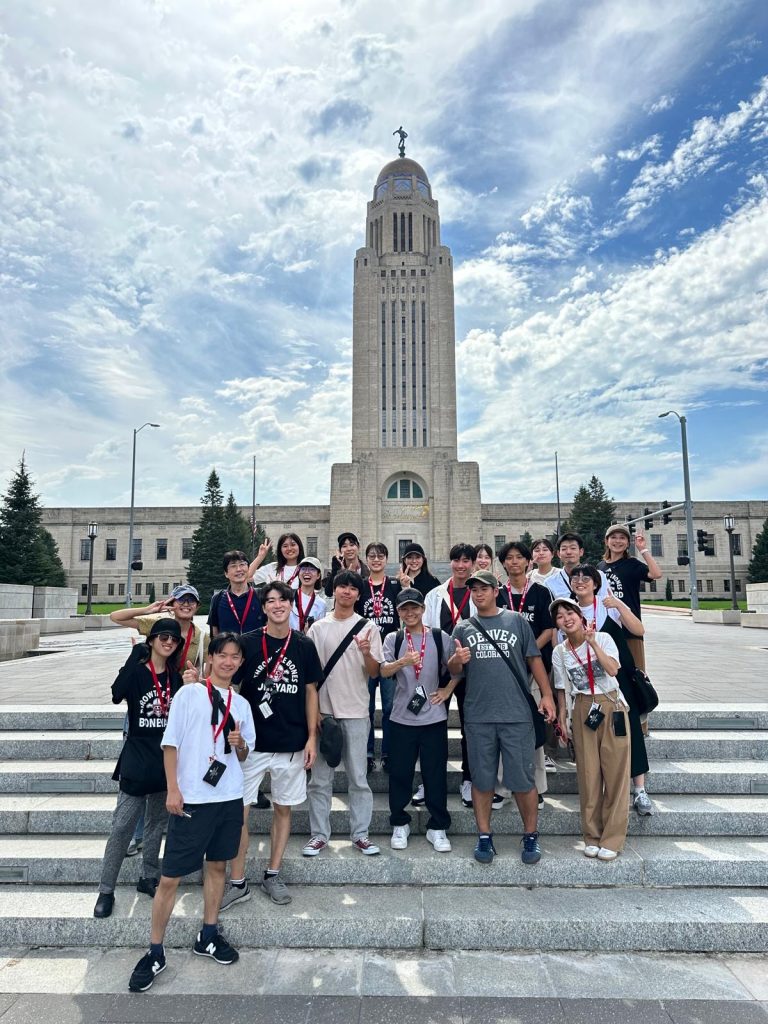
********************Short-Term Program at the University of Nebraska–Lincoln (UNL), September 2025********************
1.Has Your Approach to Learning Changed Compared to Before Studying Abroad?
♦I feel that my language skills have improved compared to before. I can understand spoken English much better than before studying abroad.
Speaking is still difficult for me, and I don’t feel that I’ve improved much in that area, but my motivation to learn English has increased.
♦Although I didn’t take any standardized tests that show objective results, I’ve gained confidence in using English, and I feel that my listening
and speaking skills—especially understanding native speakers—have improved significantly.
♦I don’t know my exact grades or measurable outcomes, but the knowledge I gained in the heart of large-scale agriculture, along with the new
vocabulary and ways of constructing sentences I learned through real conversations, are clear improvements compared to before studying
abroad.
♦Overall, I think I’m mostly the same, but I gained practical experience and improved my abilities in the language. I was also able to learn about
cutting-edge technologies and research across the field of agriculture.
2.What Did You Actively Work On During Your Study Abroad, and What Were the Outcomes?
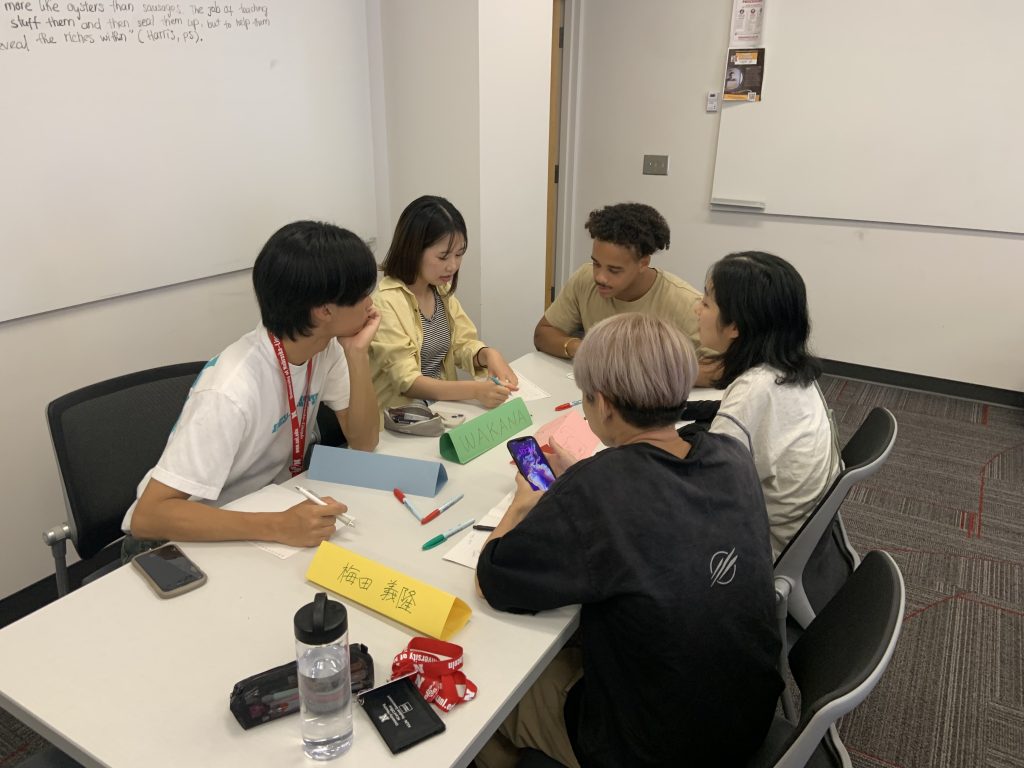
♦During my study abroad, I focused on three goals: asking questions, speaking proactively in English, and making friends locally.
Through classes and volunteer activities where I interacted with many people, I gained the courage to express myself in English and
felt real improvement in my speaking and listening skills. By engaging with local students, I learned that connections grow when I take
the initiative, and being able to become part of a large community was the most rewarding outcome.
♦Whenever I had free time, I tried to arrange volunteer activities at UNL. I originally tended to be shy about interacting with others,
but I became a bit more outgoing, and by spending more time using English, I believe my language skills improved as well.
♦In classes and conversations with local students, I made a conscious effort to express my thoughts in English and gained meaningful
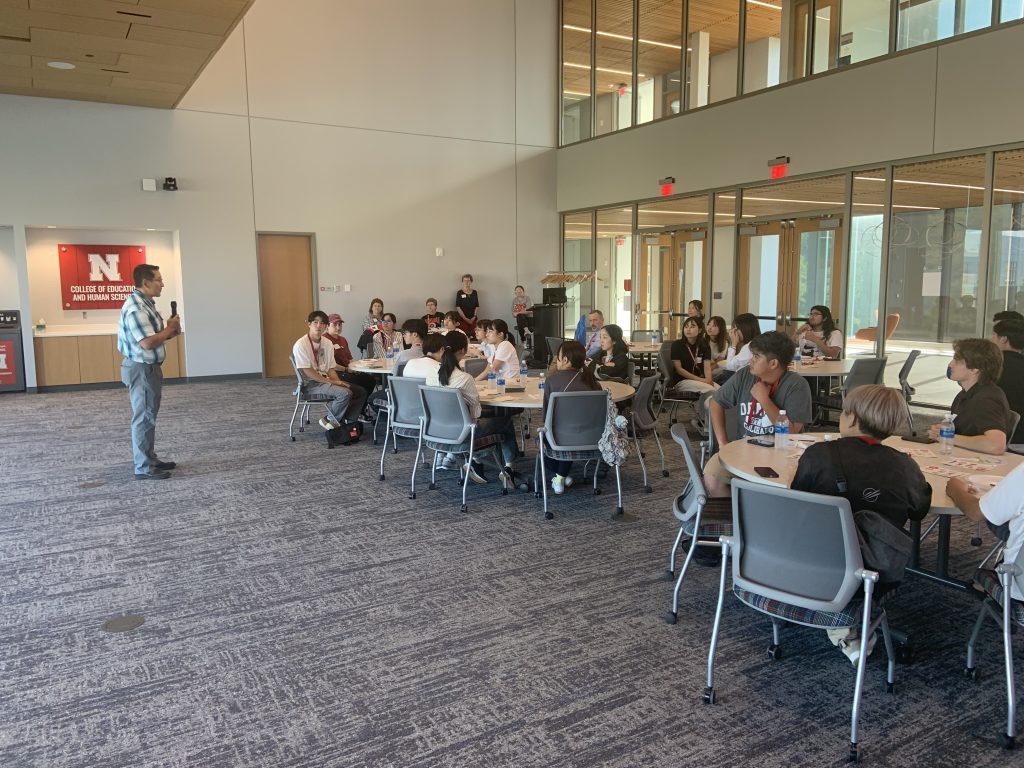
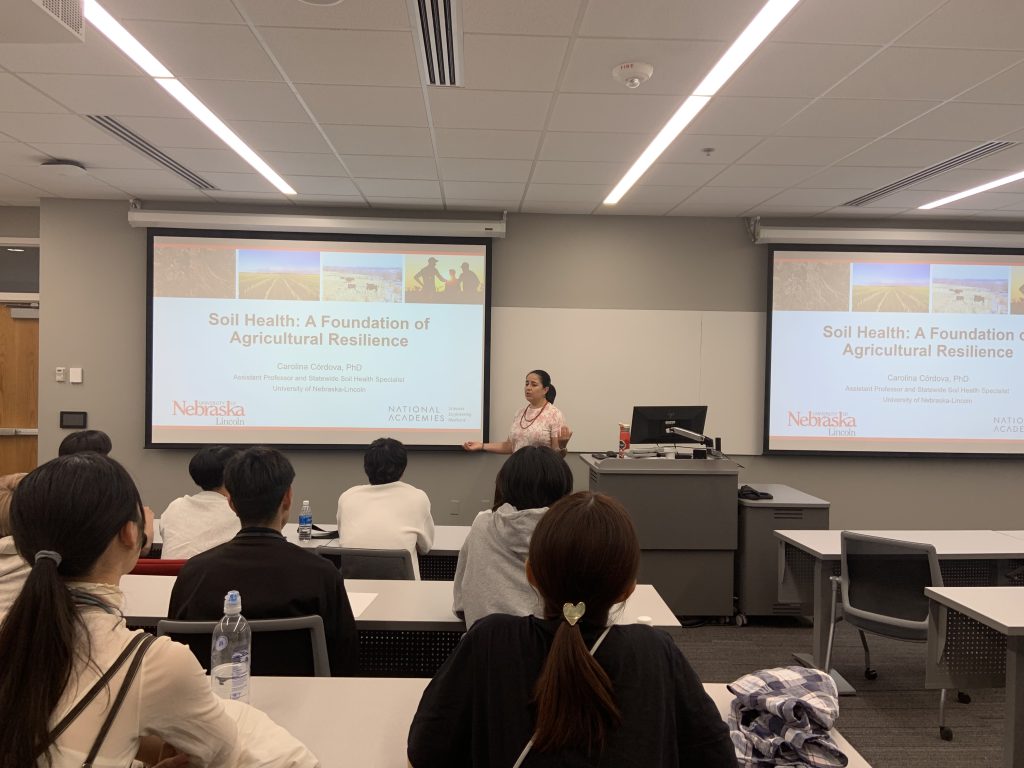
confidence from doing so. Through lectures and hands-on activities, I was exposed to American culture and cutting-edge research, and
the differences from Japan motivated me to learn even more. Although there were times when I couldn’t speak well, I realized that as
long as I tried to communicate, my message would still get across, which helped boost my confidence.
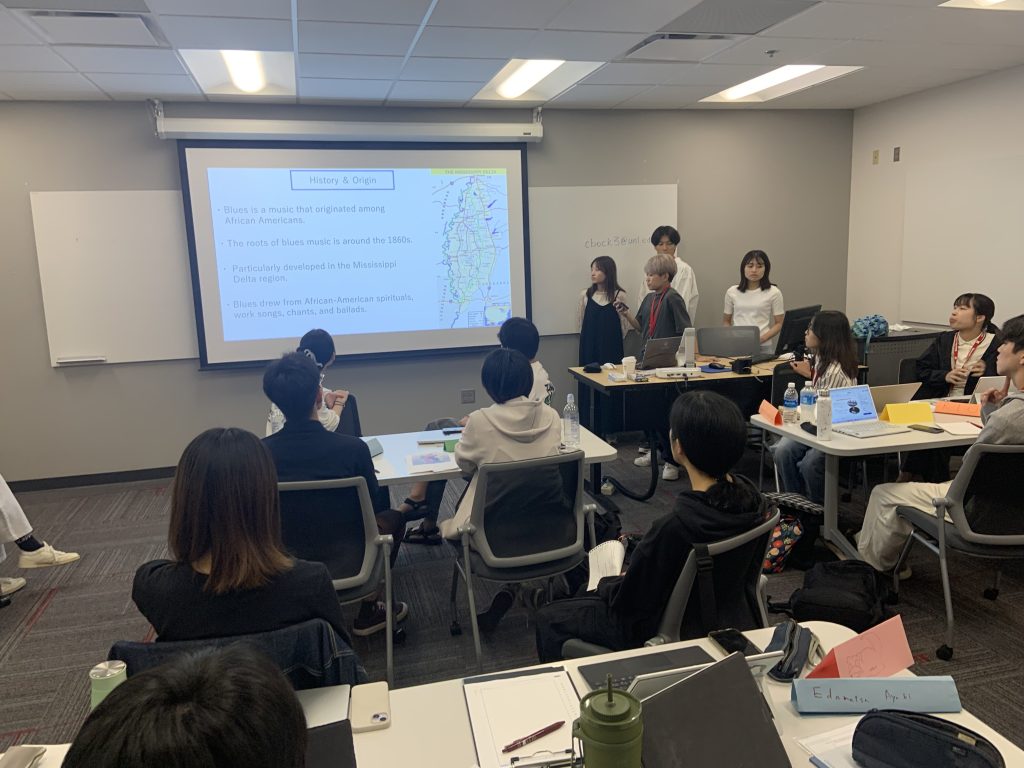
♦I actively engaged in classes and extracurricular activities, improving my presentation skills and cultural understanding by researching
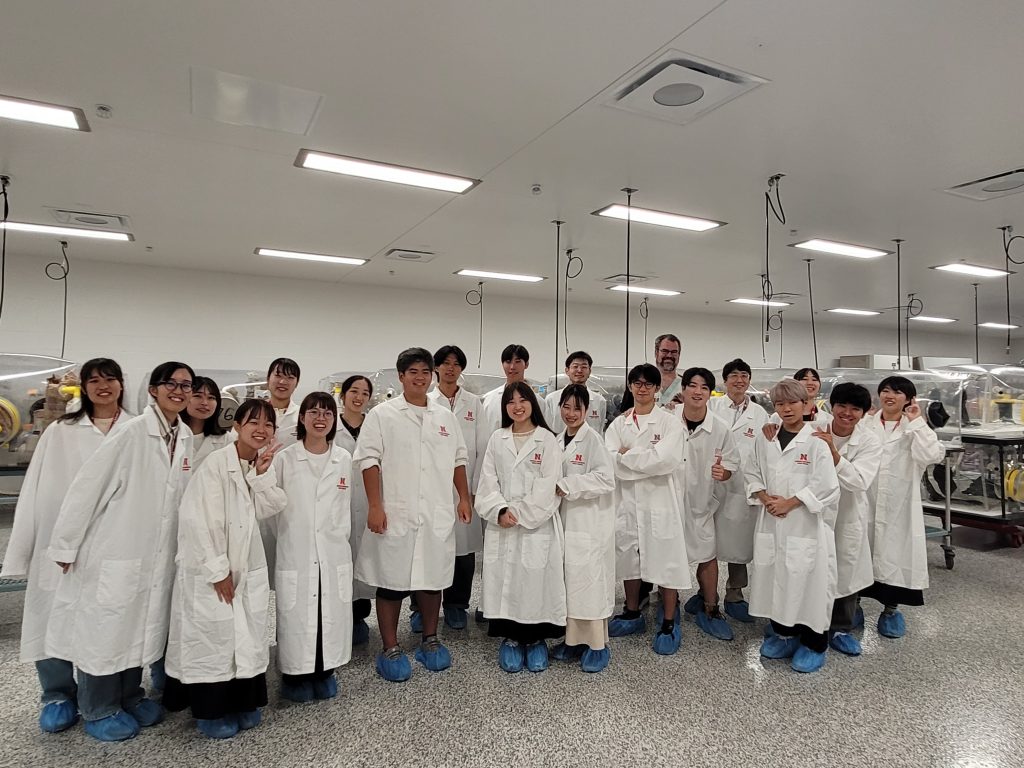
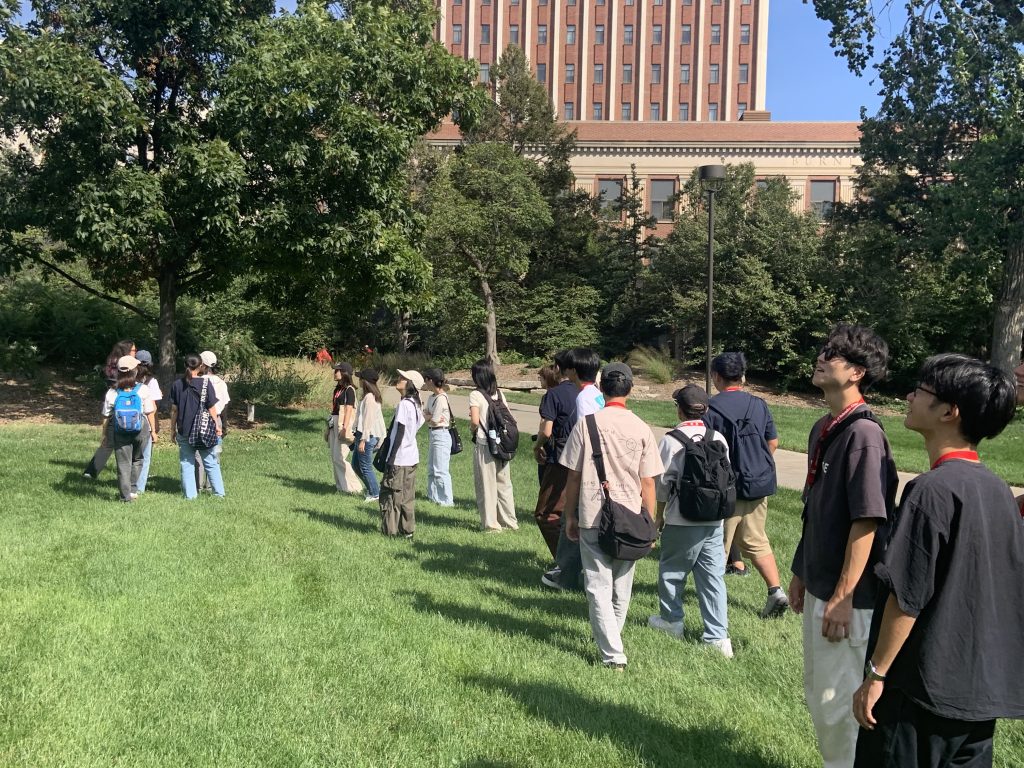
and presenting on American culture and history. Through extracurricular experiences such as visiting HUDL and touring large-scale farms,
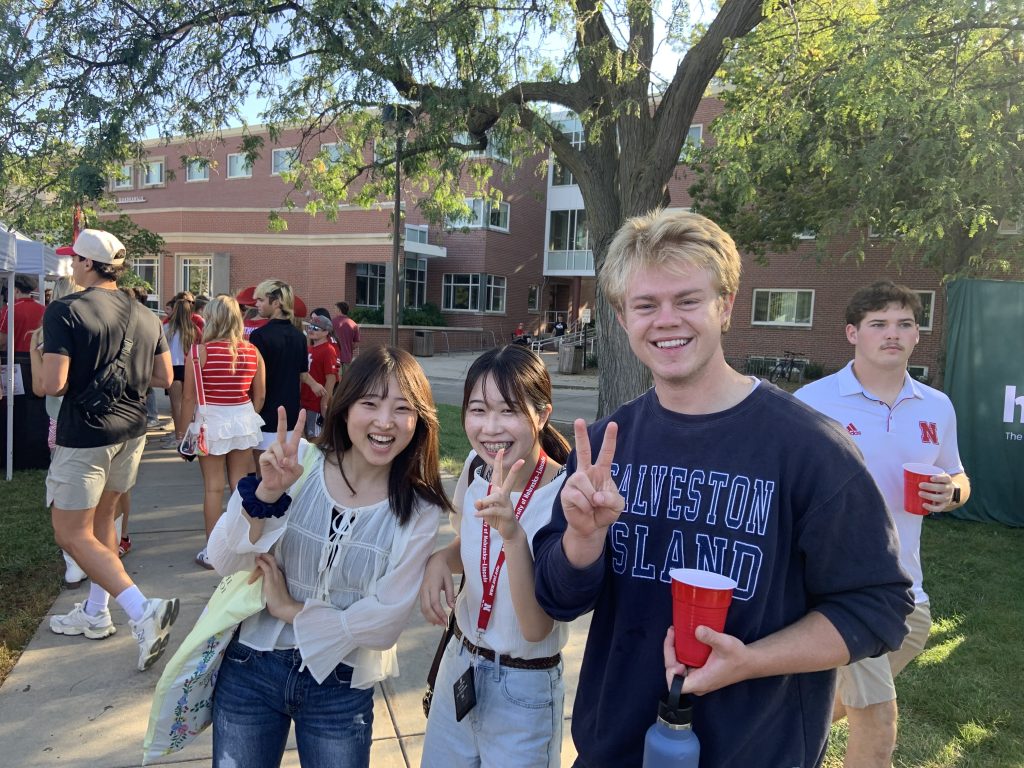
I witnessed global business practices and agricultural efficiency firsthand. Interacting with local students and gaining a variety of experiences
helped me understand the importance of learning and expressing myself proactively, and it broadened my international perspective.
♦Since this was my first time studying abroad, I made it my goal to take initiative and act proactively. With the support of kind local students,
I gained valuable insights from the culture, natural environment, and research facilities. Even though I felt uncertain about my English,
staying committed to taking action on my own was one of my biggest achievements.
3.When Reflecting on Your Study Abroad Experience, Is There Anything You Feel You Should Have Done Differently?
♦I was satisfied with the program itself, but I feel that I wasn’t proactive enough. I actively participated in classes, but I wish I had spent
more time interacting with local students after school.
♦I achieved most of my goals, but if I had studied English a bit more in advance, I think my study abroad experience could have been even
more meaningful.
♦My goals for this study abroad were to gain international experience and to find motivation for language learning. I achieved both, but
I wasn’t very proactive in approaching others to speak.
♦I was able to improve my English skills, and the connections I made with local friends have become motivation for my future English learning.
However, I hadn’t trained my listening skills enough beforehand, so there were moments when I struggled to communicate effectively.
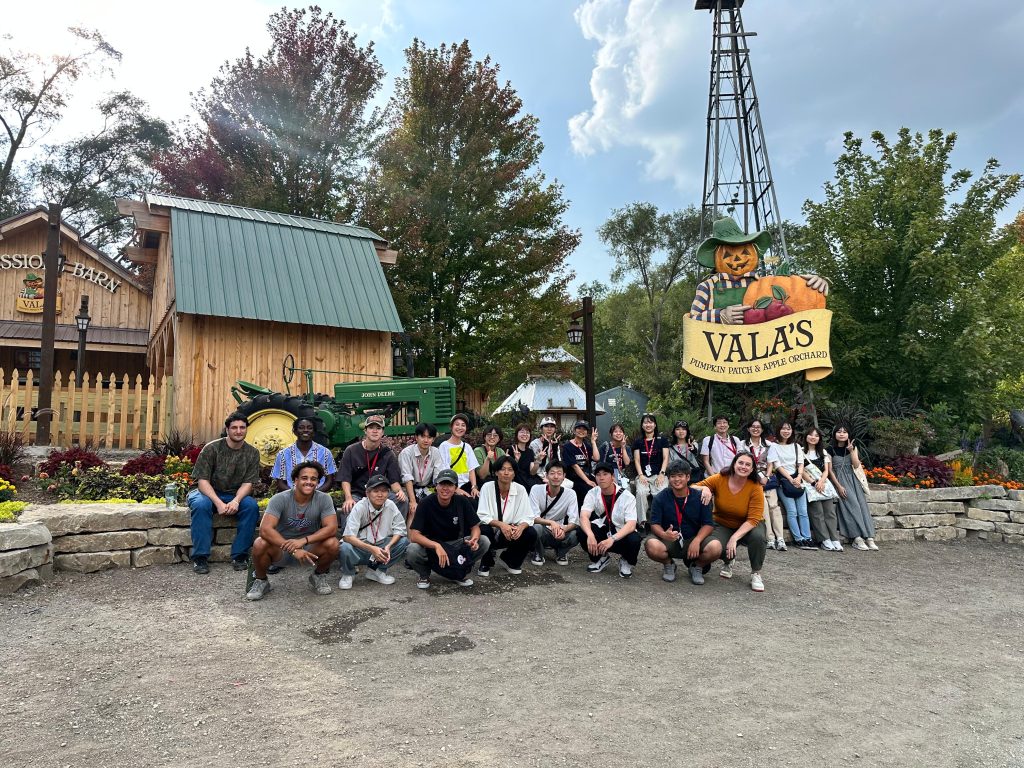
♦I actively tried to communicate in English with local students and made efforts to ask questions whenever I didn’t understand something
in classes, campus tours, or farm visits. However, I sometimes relied on students who could speak Japanese, so I didn’t fully challenge myself
to converse entirely in English. Even so, I was able to practice expressing my ideas, which contributed to improvements in my listening and
speaking skills.
4.How Will Your Study Abroad Experience Help Your Future Career?
♦Through this study abroad program, I was able to deepen my knowledge of agriculture beyond my major. In particular, witnessing world-class
research facilities, equipment, and agricultural sites firsthand motivated me in my studies. Thinking about my future career, I now want to work
not only in Japan but on a global scale, and I aspire to become someone who can succeed on the world stage.
♦I think the biggest outcome was becoming a slightly more positive and proactive person. Being proactive rather than passive is beneficial both
academically and in job hunting, so I believe this will be useful in the future.
♦Through presentations in class, I was able to develop my ability to learn independently and to organize and convey information clearly.
Farm visits and company tours provided perspectives that I can apply to research in my field, as well as insights into differences with Japan.
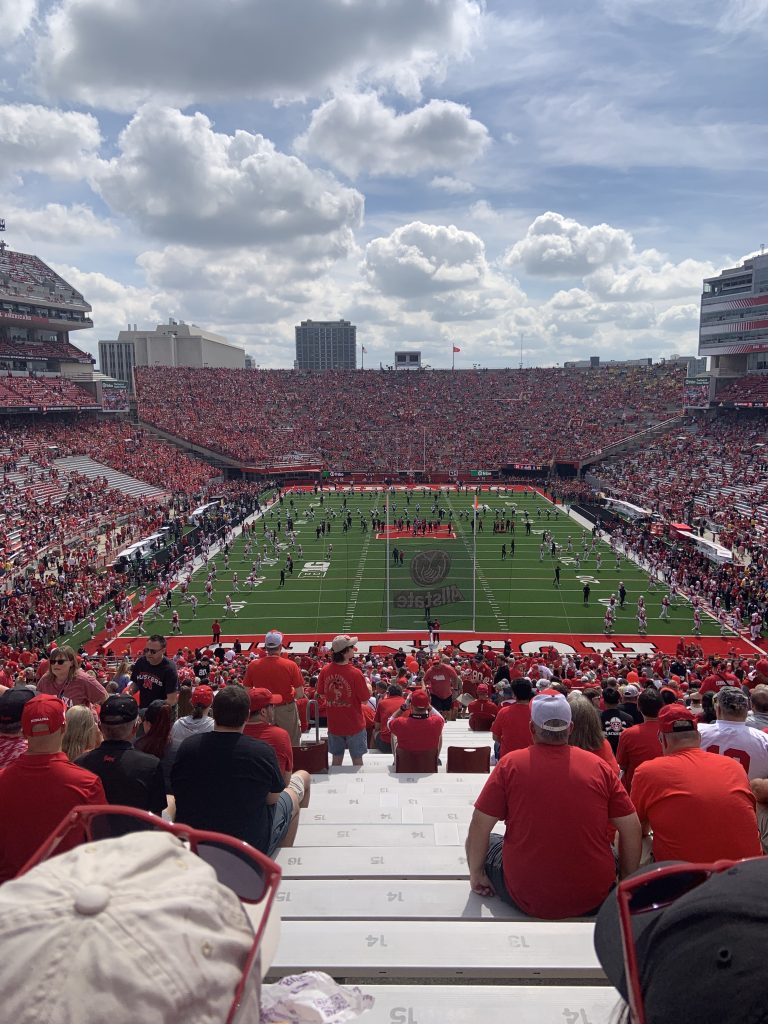
Furthermore, interacting with local students and participating in sports and company experiences helped me enhance my international
awareness and cross-cultural understanding, which will be valuable for my future career.
♦Having lived in Japan all my life, meeting and interacting with people from completely different cultures, places, and value systems broadened
my perspective.
♦Some lectures involved self-analysis and learning about the United States, which was very helpful in helping me understand what I want to do
in the future.