
Activity Report- The “Summer School of Basic Japanese Studies” and the “Industry - Government - Academia Collaboration Internship Program” (July 2 - August 8, 2025)
 ad_seka
The Inter-University Exchange Project Summer Program was held for six weeks from July 2 to August 8, 2025. 10 students from the University of Nebraska-Lincoln (UNL), University of Washington (UW), Georgia Institute of Technology (GT), University of the Philippines Los Baños (UPLB), and Western University (WU) participated in this program.
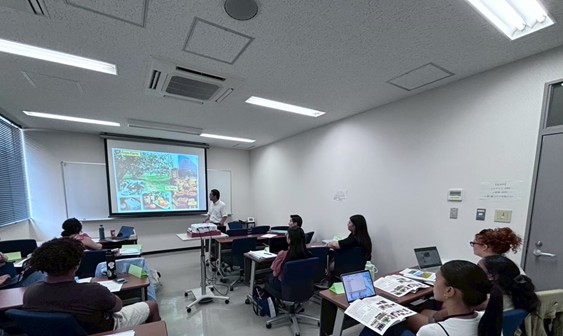
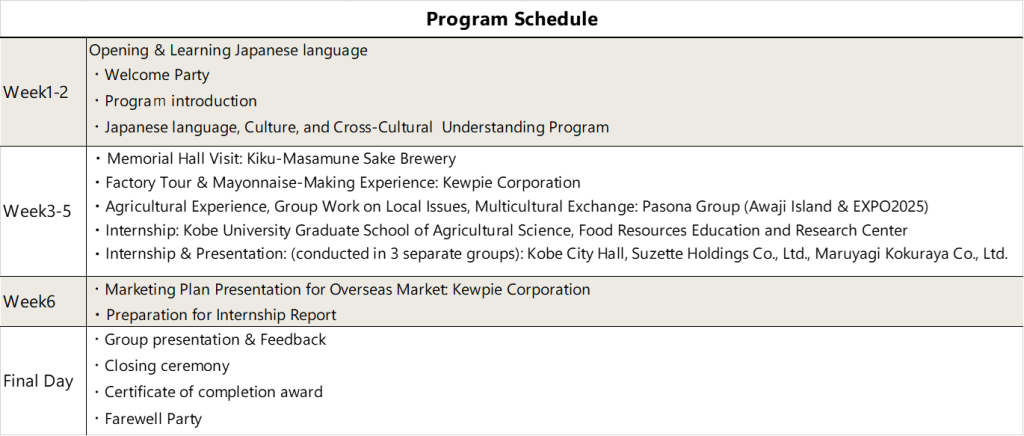
During the two-week period from July 2 to July 15, the “Summer School of Basic Japanese Studies” was held in cooperation with the International Student Education Section of the Global Education Center. In addition to Japanese language classes in the morning and discussions with Kobe University students in the afternoon, students learned about Kobe's history and culture through lectures and fieldwork in the “Regional Studies”.
Summer School of Basic Japanese Studies
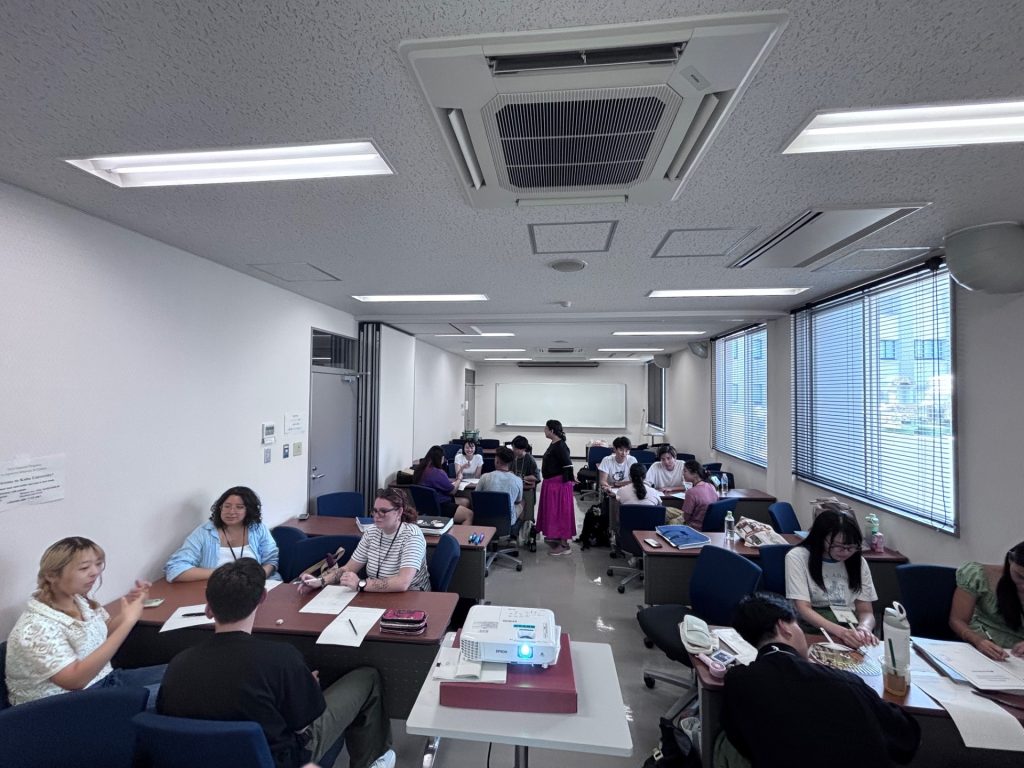
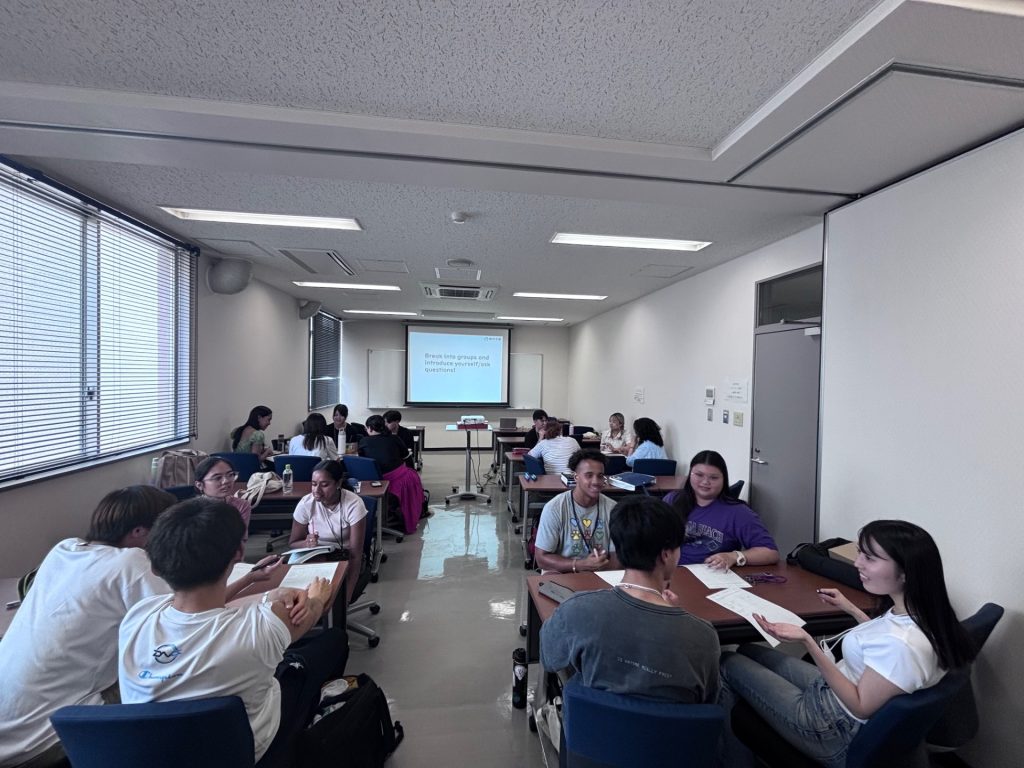
Students were divided into beginner and intermediate–advanced classes.Focusing on Japanese expressions used in daily life, the program also incorporated discussions conducted in both English and Japanese, helping participants develop their fundamental Japanese skills as well as their understanding of Japan and the Japanese language.
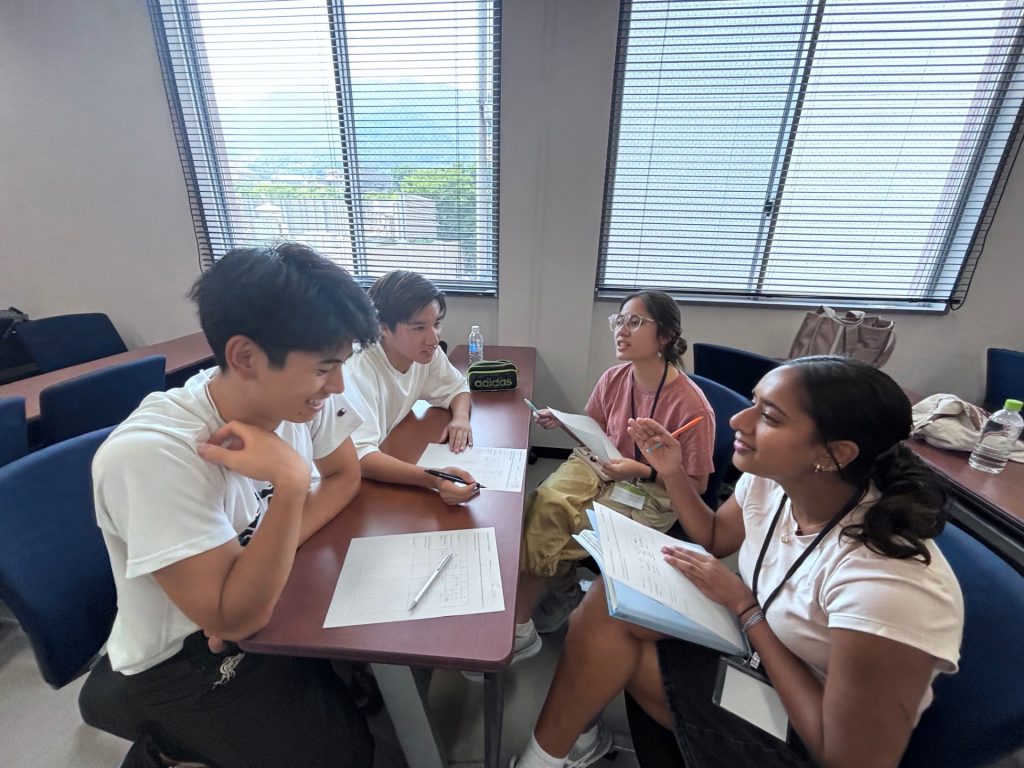
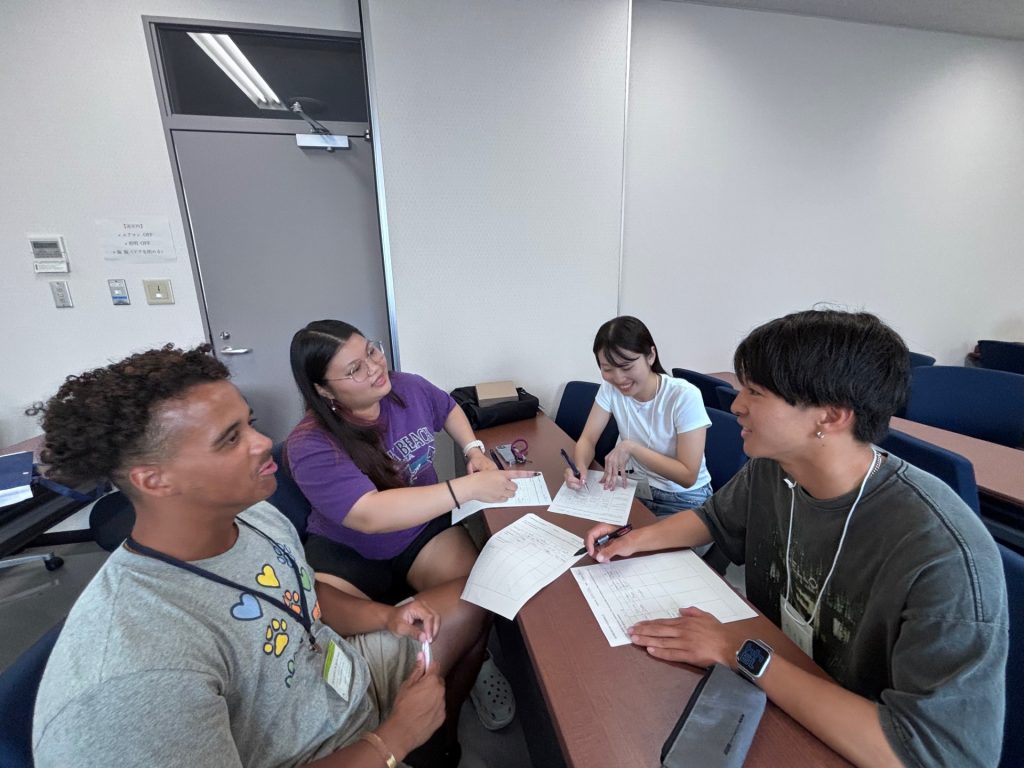
Students deepened their understanding through conversation practice with student volunteers from Kobe University.
Regional Studies
Presentation on a one-day tour plan of Kobe’s sightseeing spots
Lecture by a professor from the Kobe University Food Resources Education and Research Center
A multicultural lecture with Kobe University student volunteers
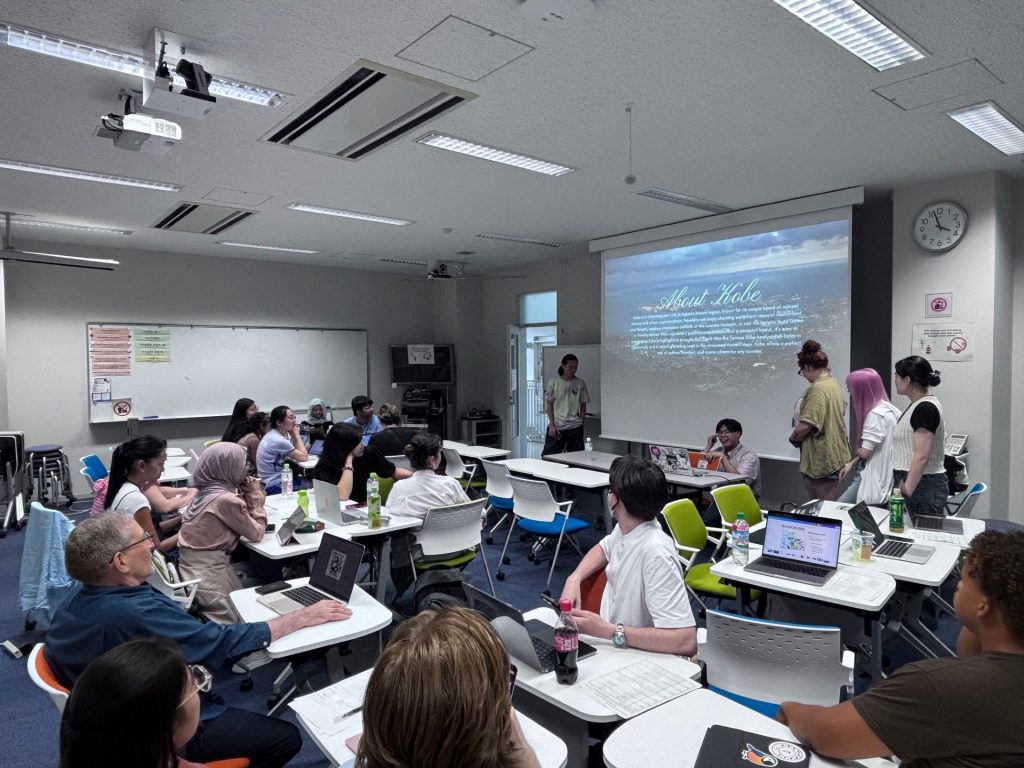
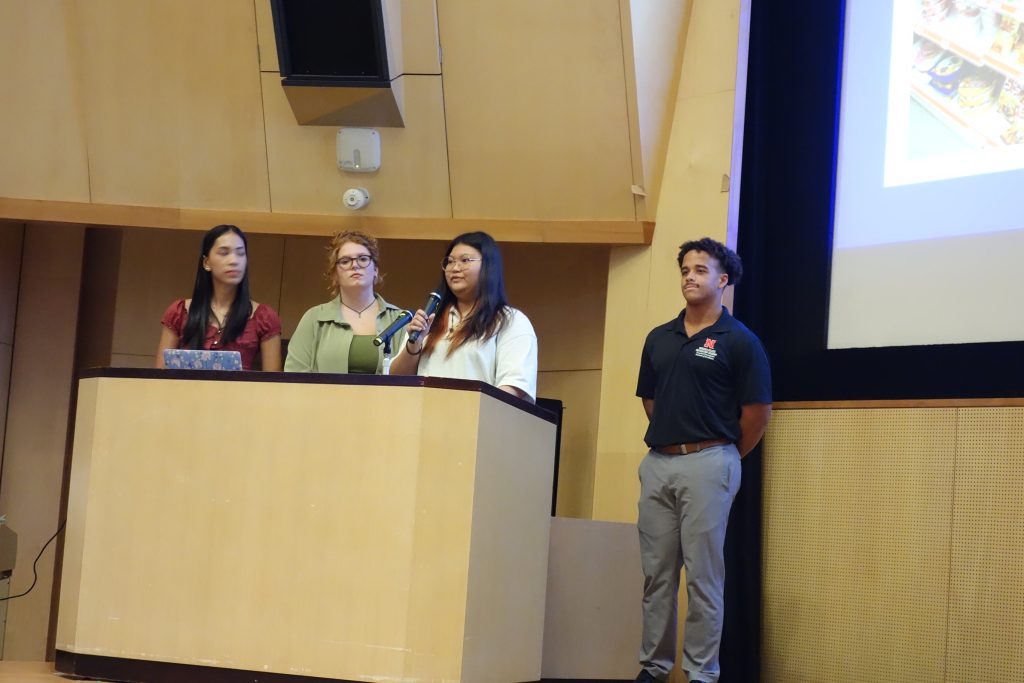
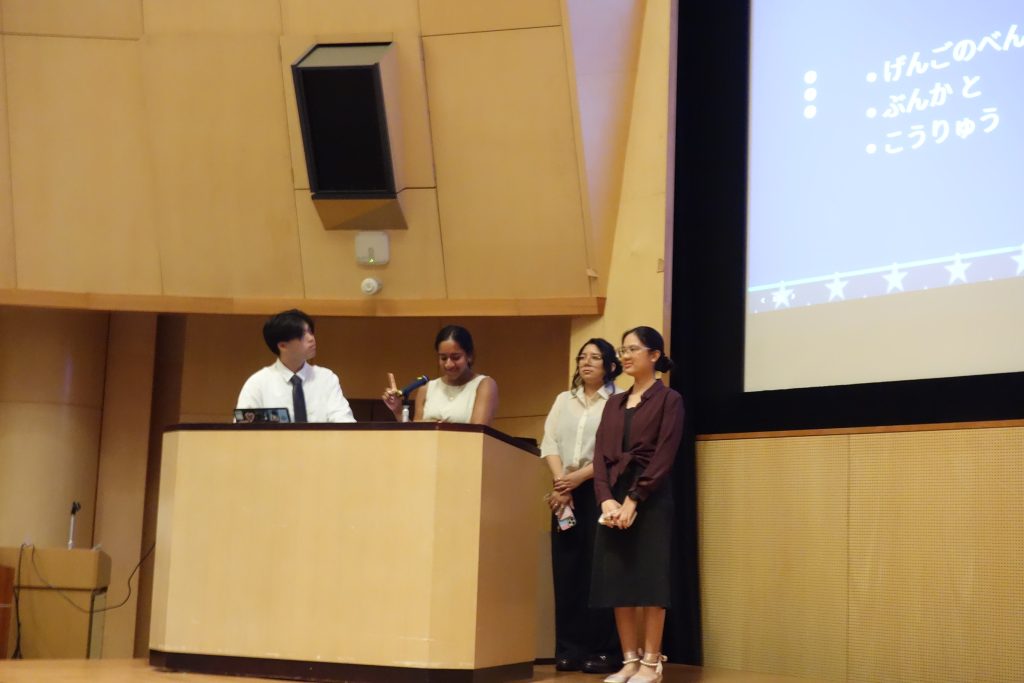
Presentation of the outcomes from the 10-day Japanese course (in Japanese)
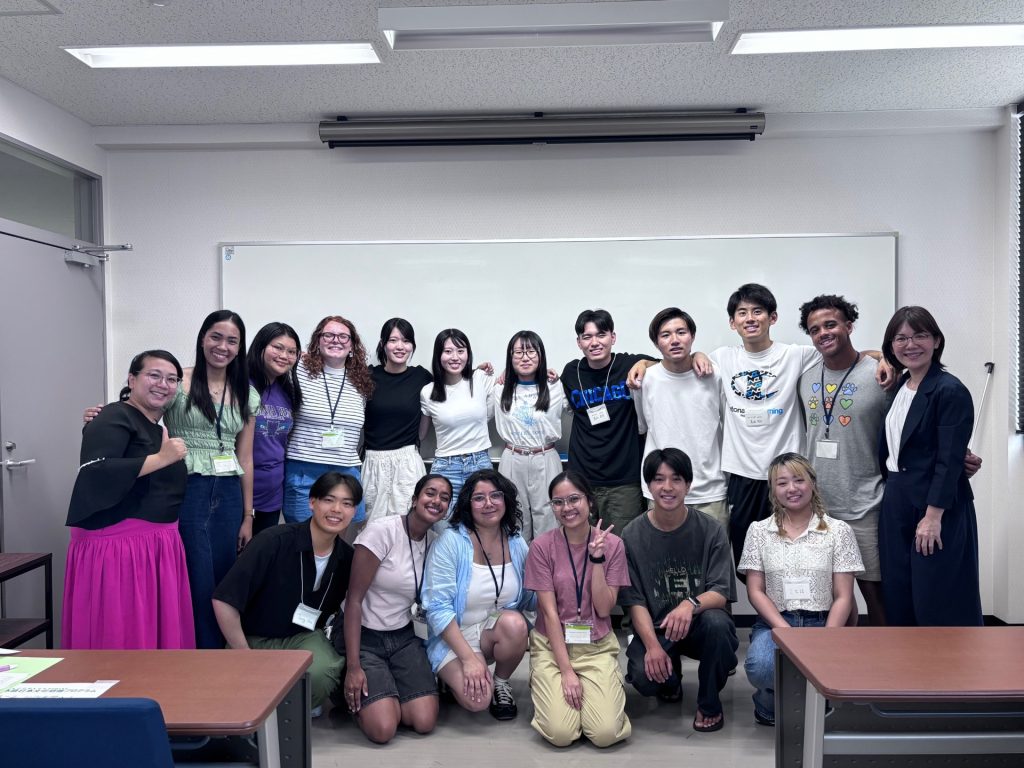
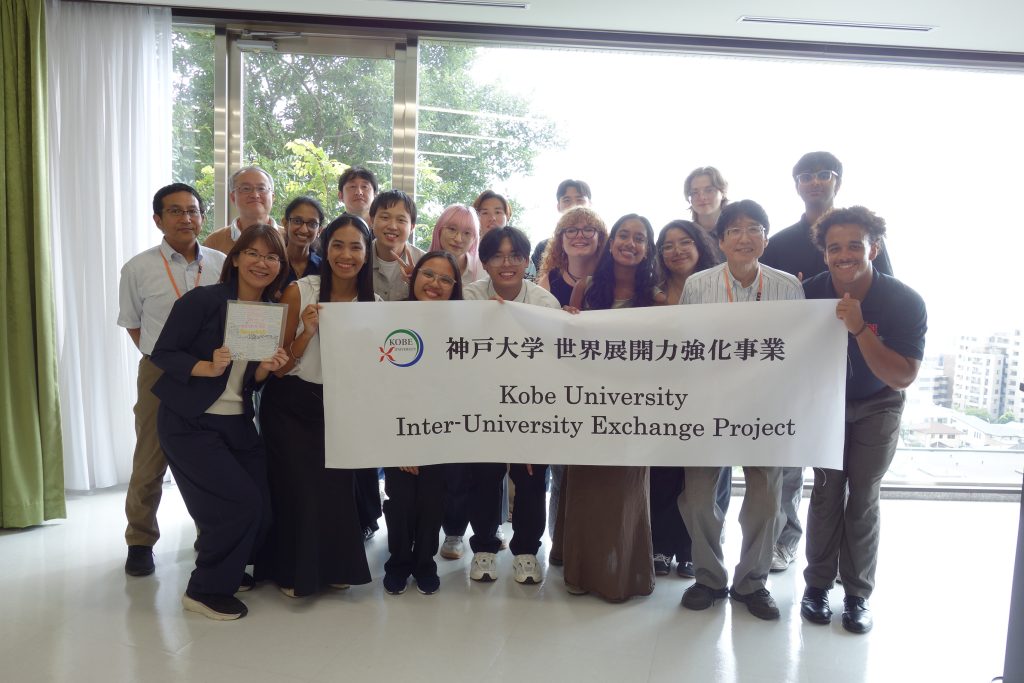
Summer program international students and Kobe University student volunteers
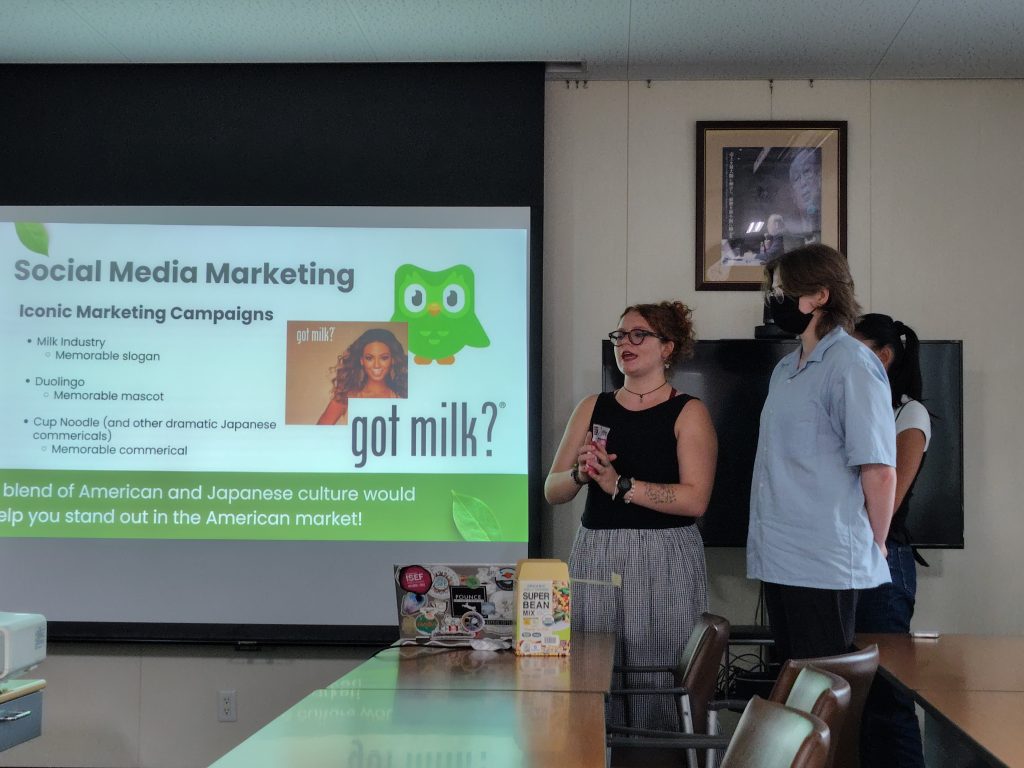
From July 16 to August 8, internships at Kiku-Masamune Sake Brewing Co., Ltd., Kewpie Corporation, Kobe City Government, SUZETTE Co., Ltd., PASONA Group Inc., Maruyanagi Foods Inc., and Kobe University Food Resources Education and Research Center (Graduate School of Agricultural Science) were conducted as part of the “Industry - Government - Academia Collaboration Internship Program”. The internship program featured diverse activities, including interactions with foreign employees, introductions to food-related initiatives such as food loss prevention measures, creating overseas marketing plans, harvesting crops, and conducting research at the Osaka Expo site. On the final day of the internship at each company, students delivered presentations.
Industry - Government - Academia Collaboration Internship Program
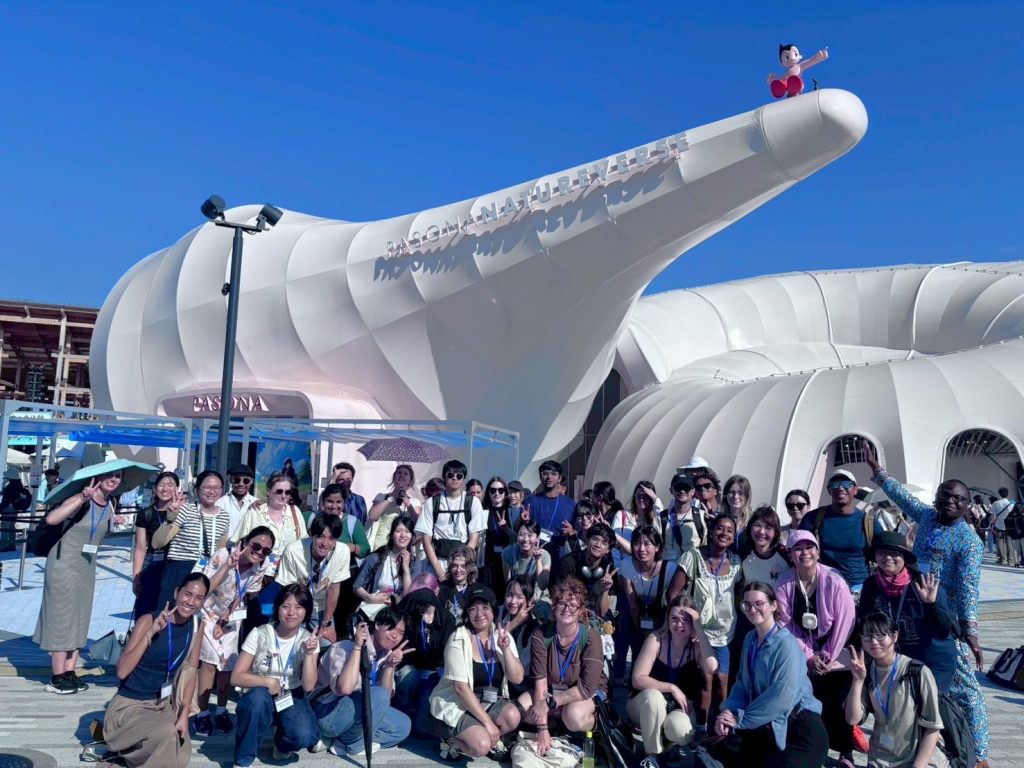
Internship at PASONA Group Inc.
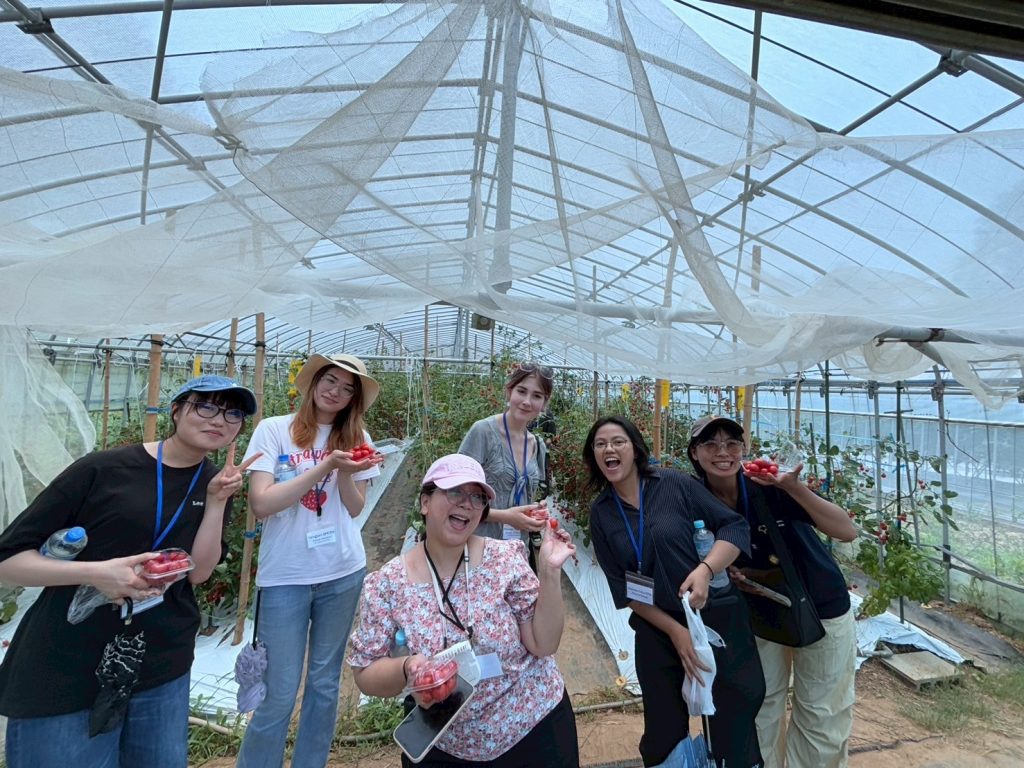
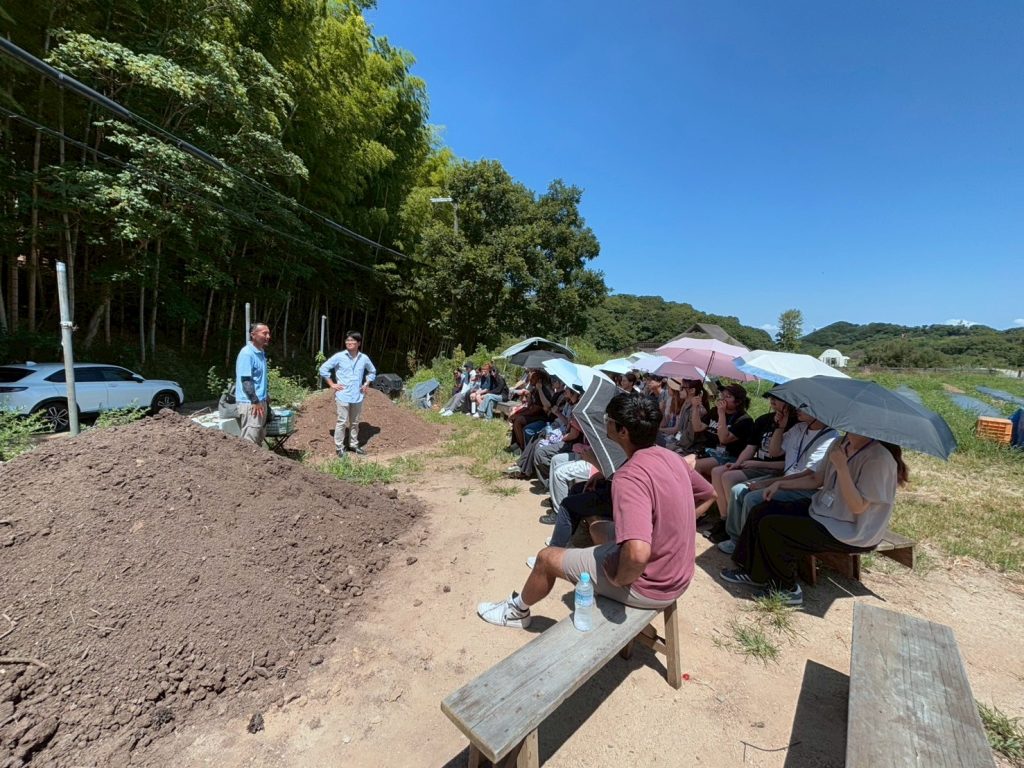
Agricultural experience on Awaji Island
Multicultural exchange at EXPO 2025
International students collaborate on regional issues of Awaji Island through group work
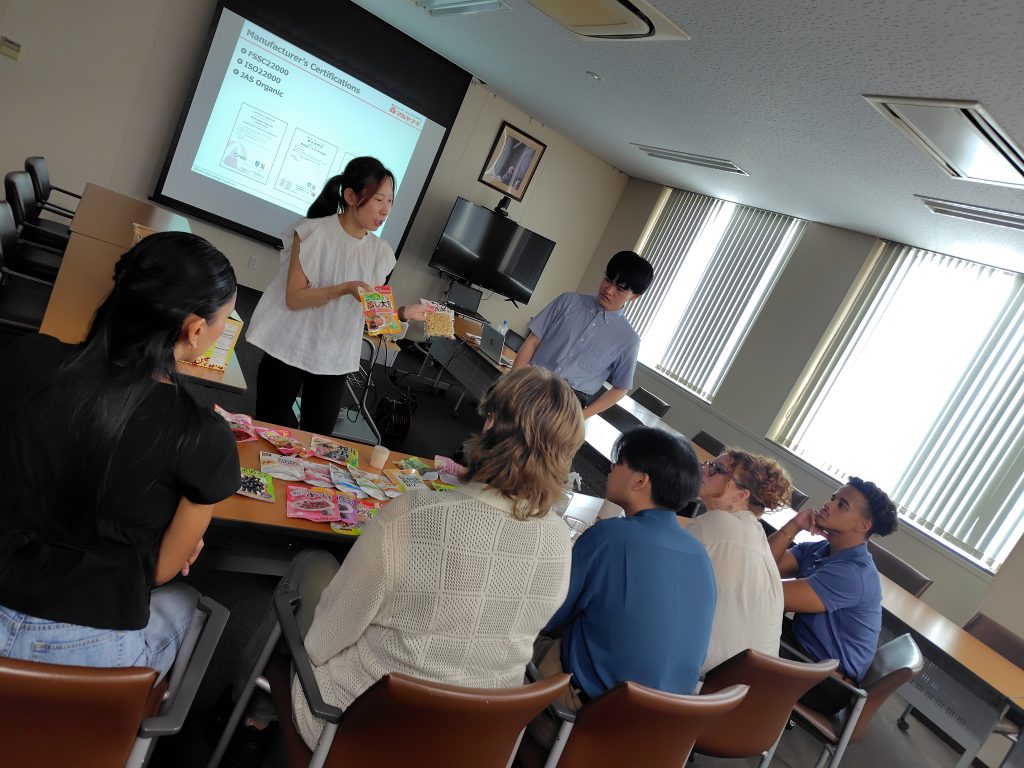
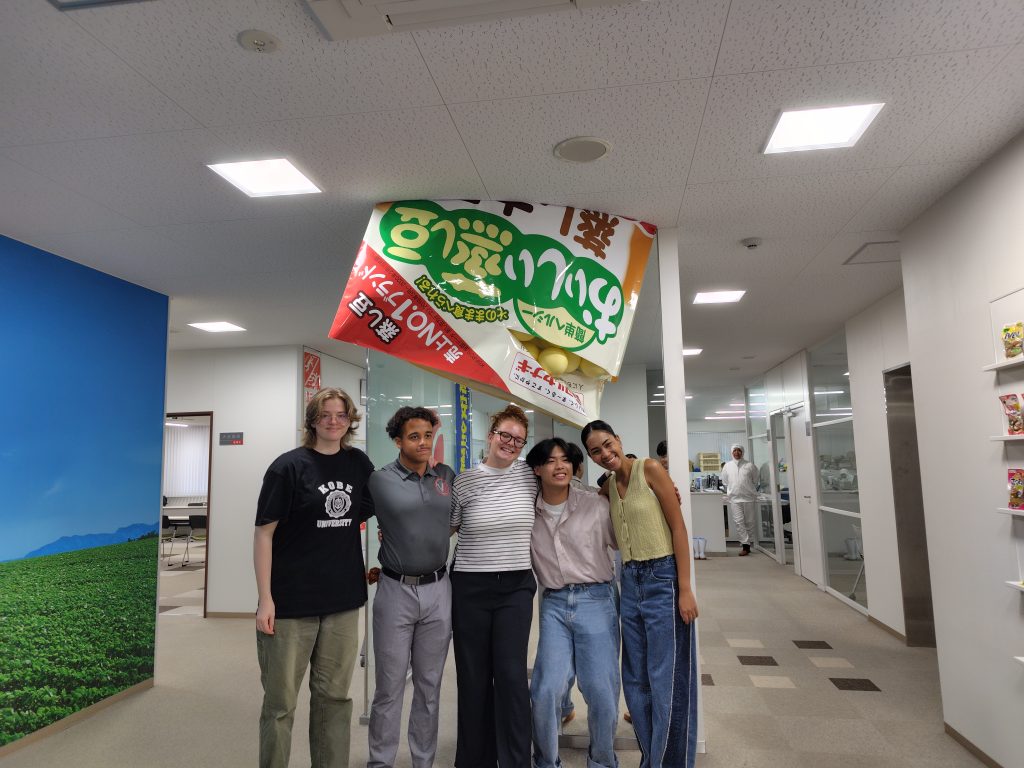
Internship at Maruyanagi Foods Inc.
Students receiving an explanation about the company’s products
Students visiting a kelp tsukudani factory
Presentation on sales strategies for overseas markets
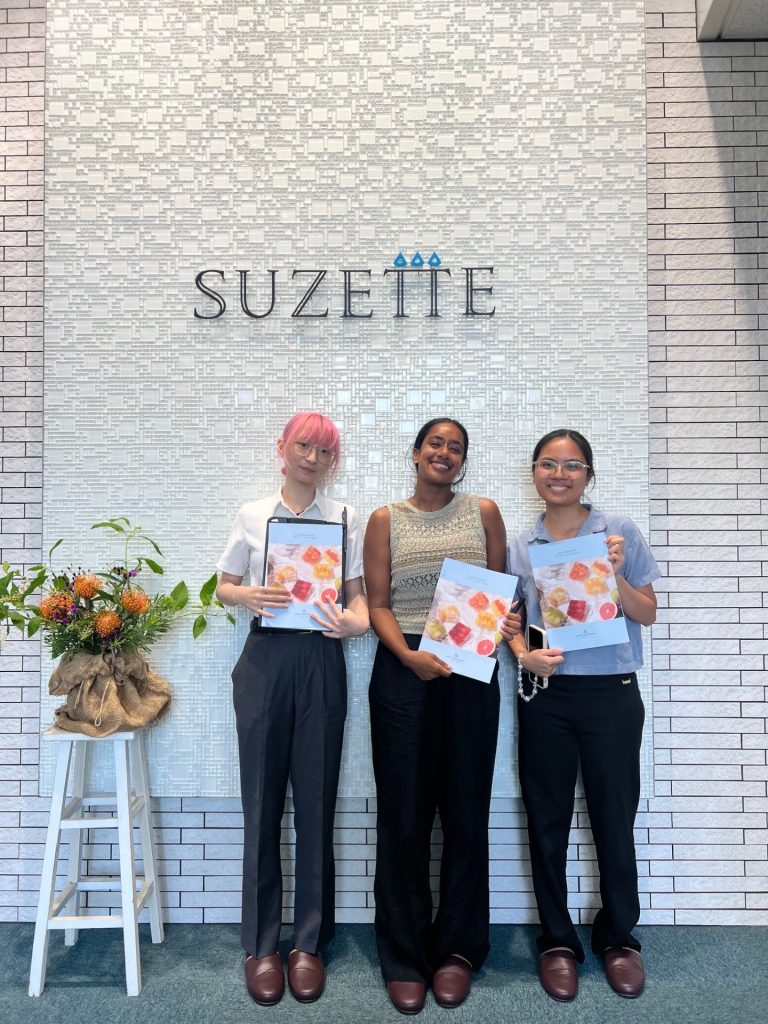
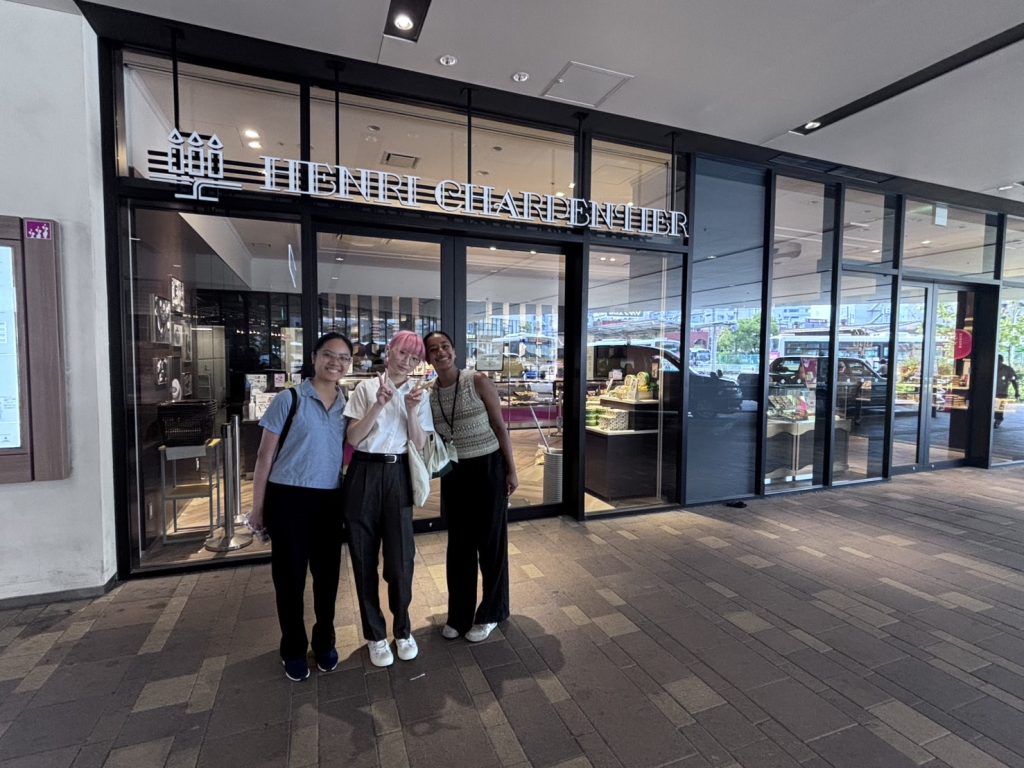
Internship at SUZETTE Co., Ltd.
Factory tour and product planning experience
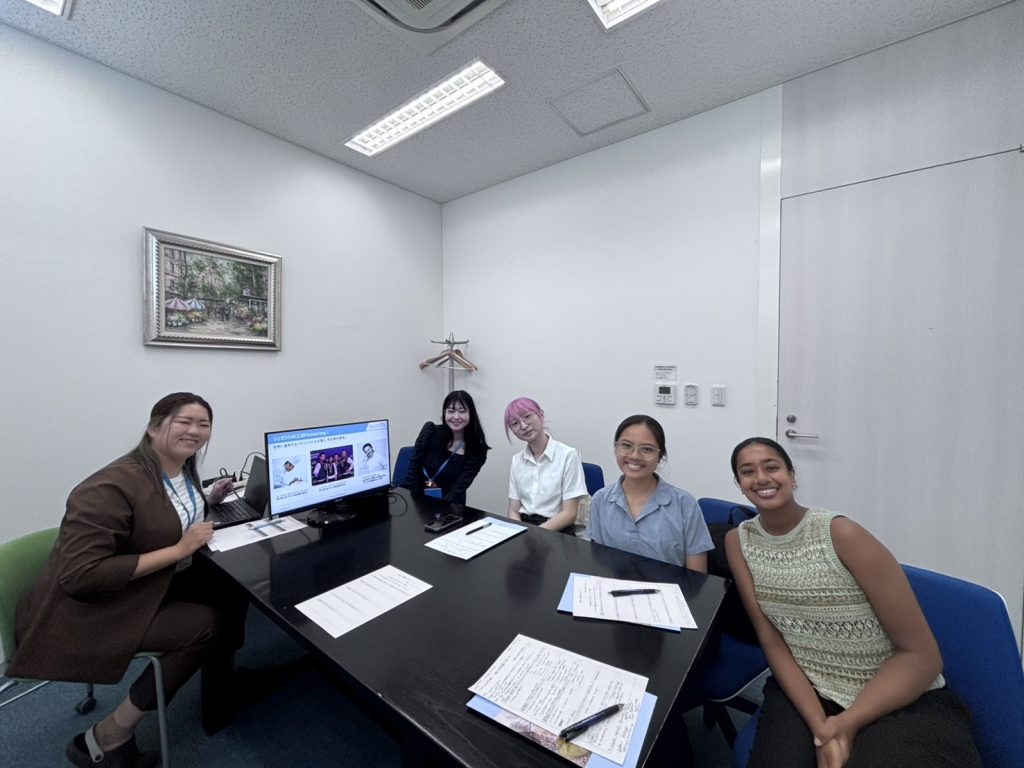
Internship at Kobe City Government
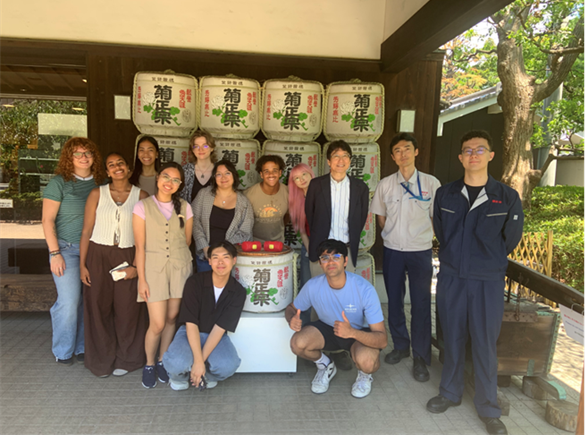
Internship at Kiku-Masamune Sake Brewing Co., Ltd.:Factory tour
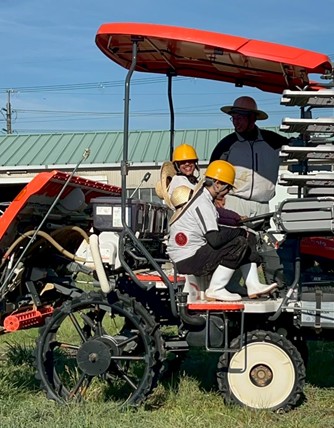
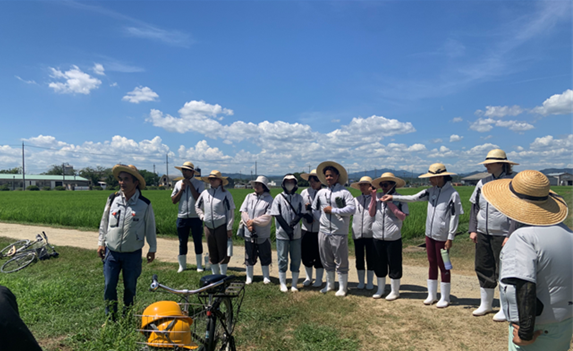
Internship at the Kobe University Food Resources Education and Research Center:Agricultural experience
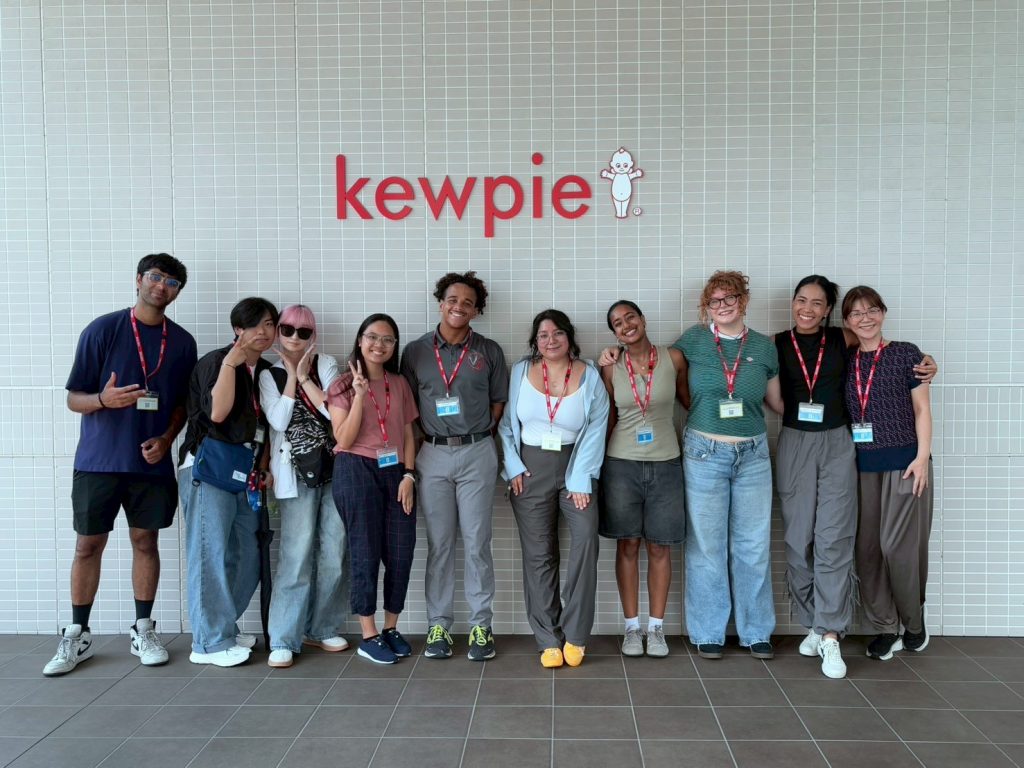
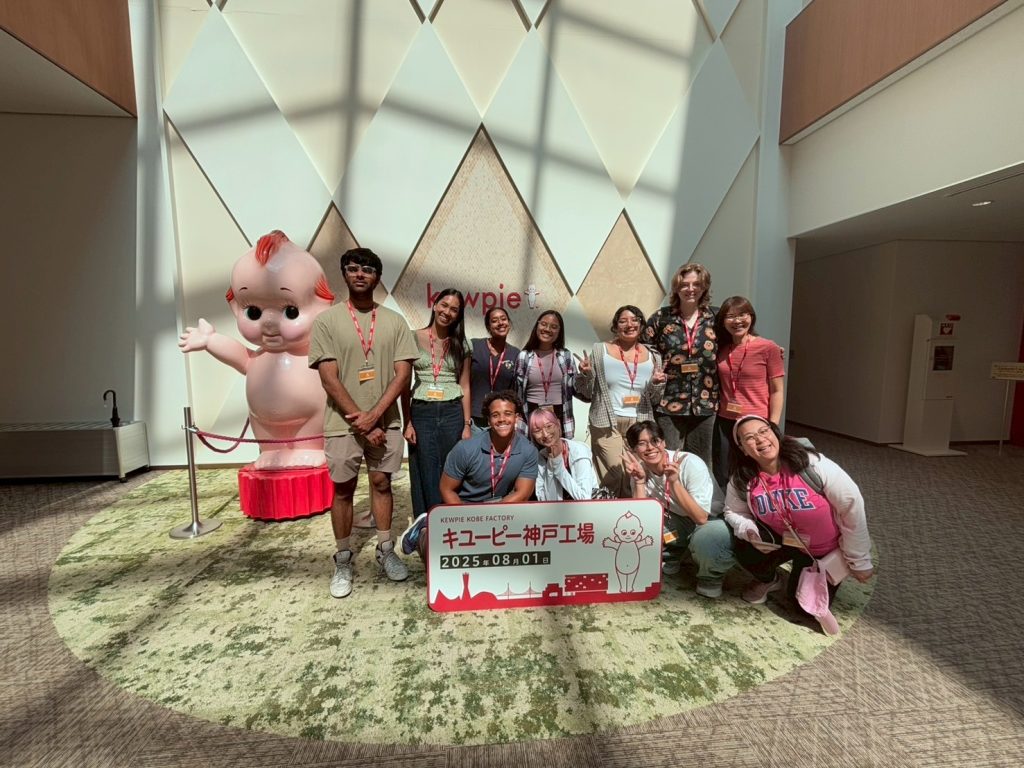
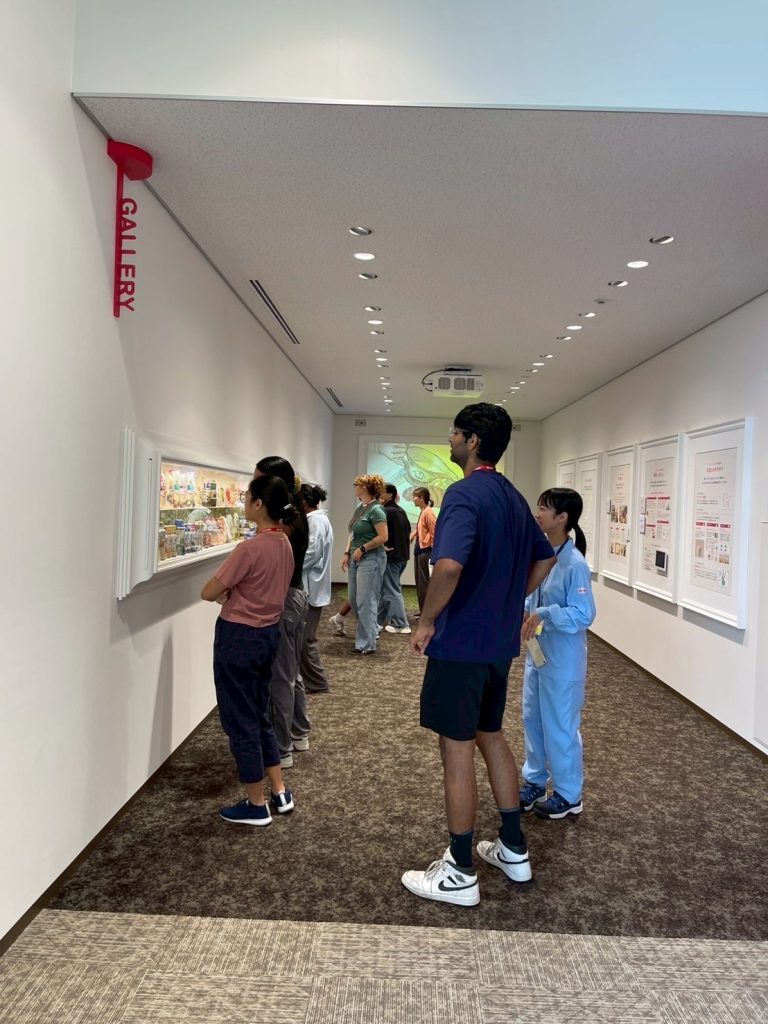
Internship at Kewpie Corporation:Factory tour and hands-on mayonnaise-making experience
Students presenting their marketing plans for overseas markets
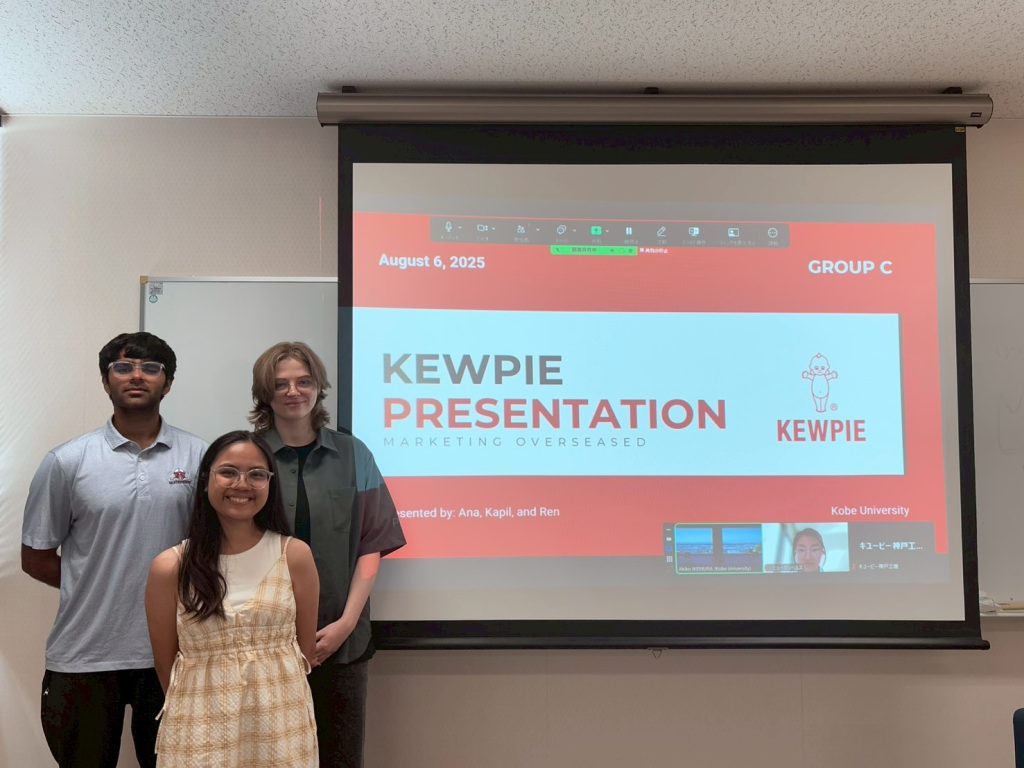
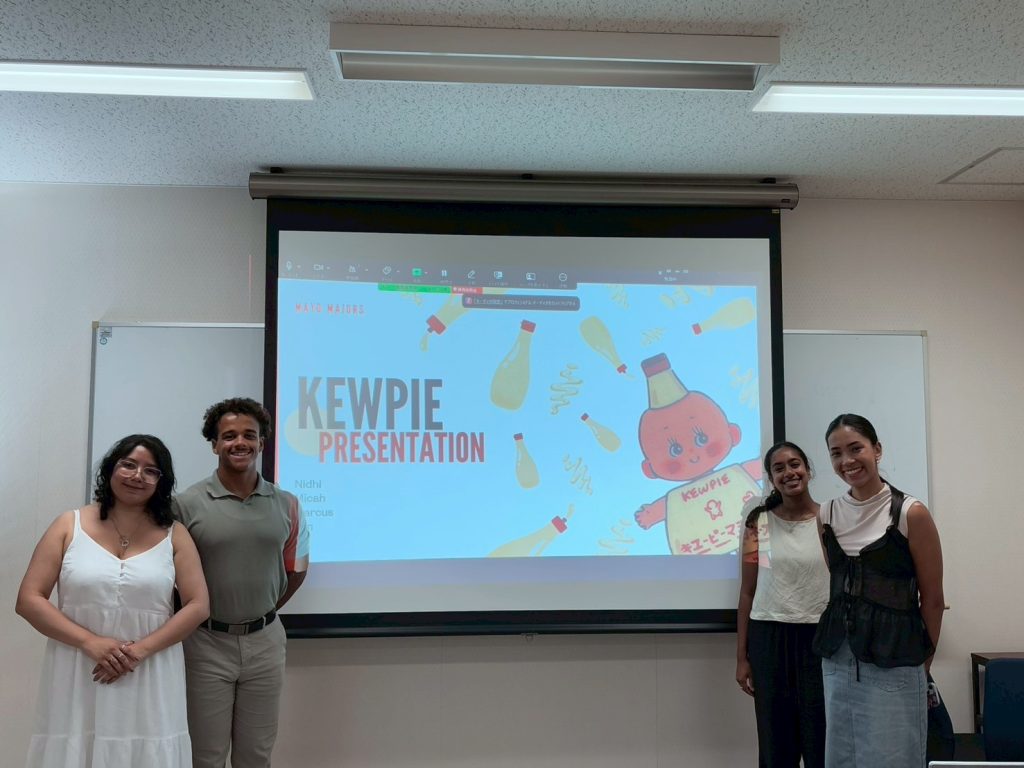
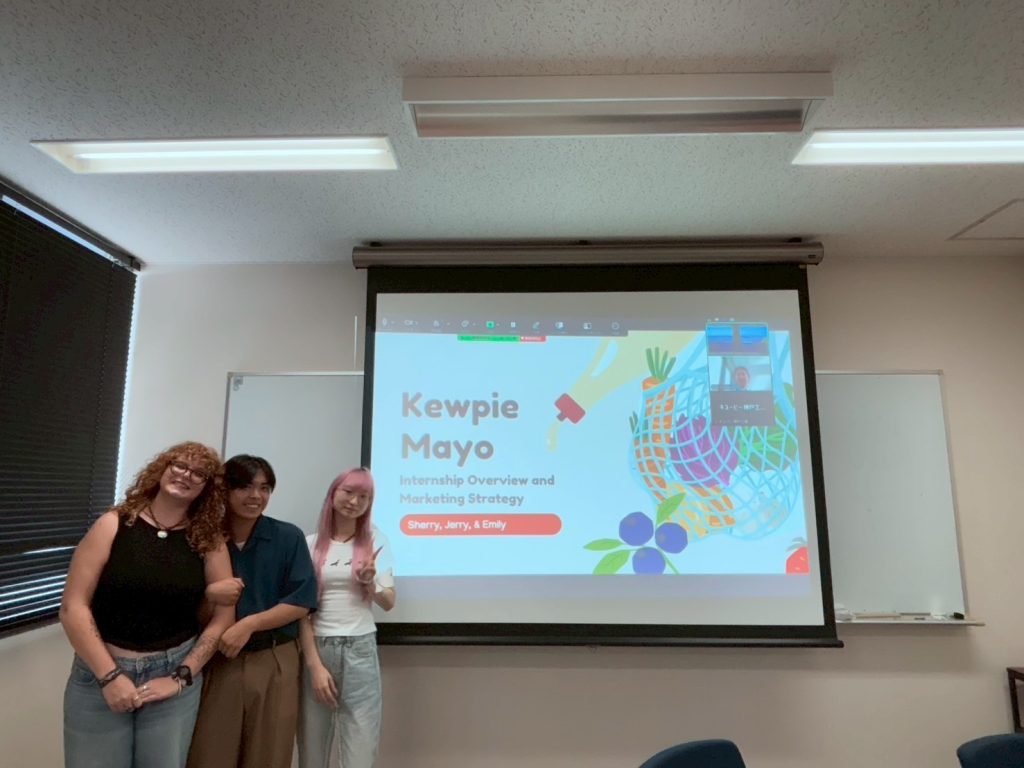
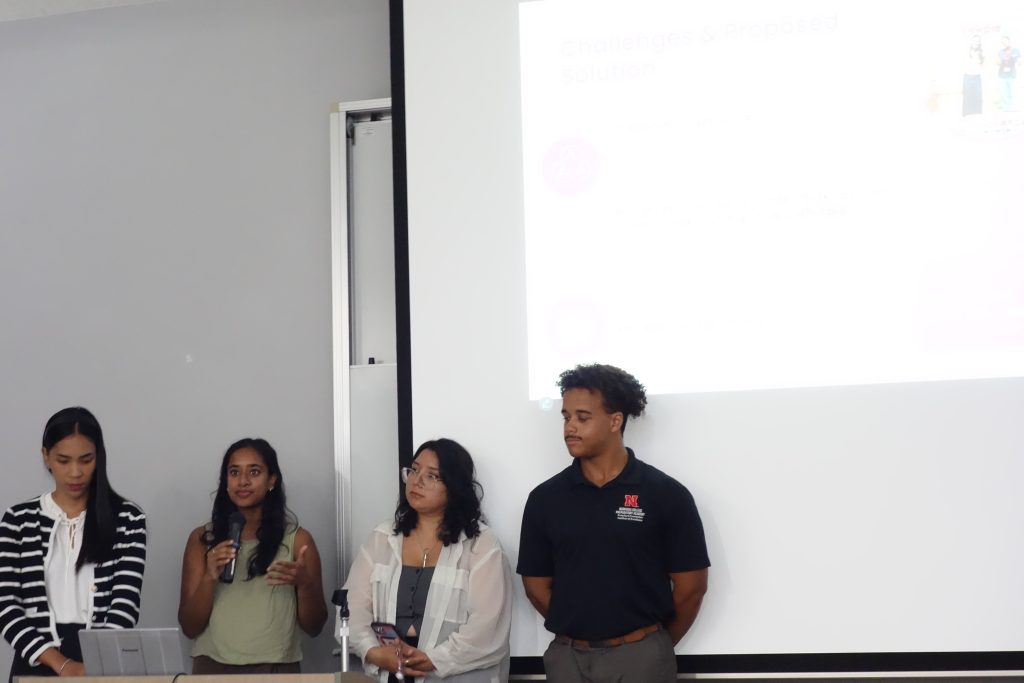
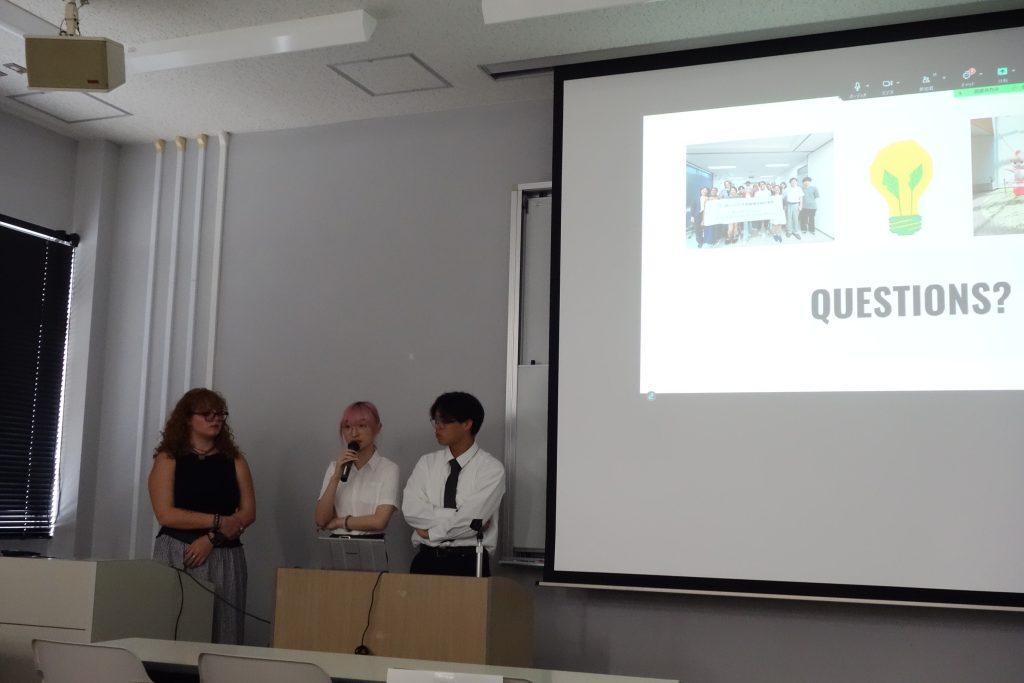
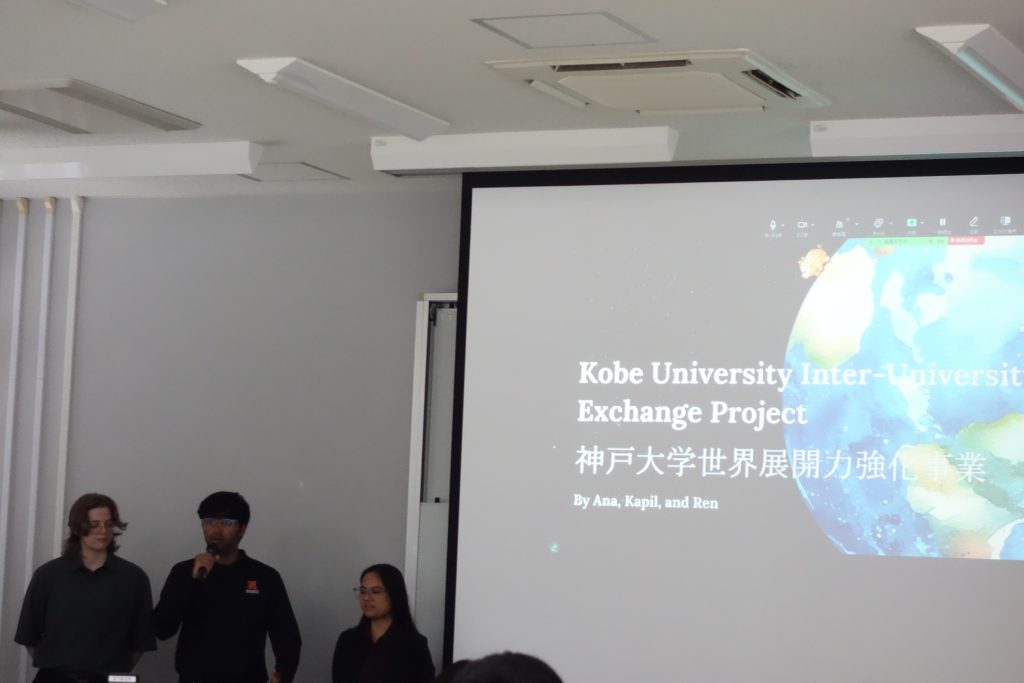
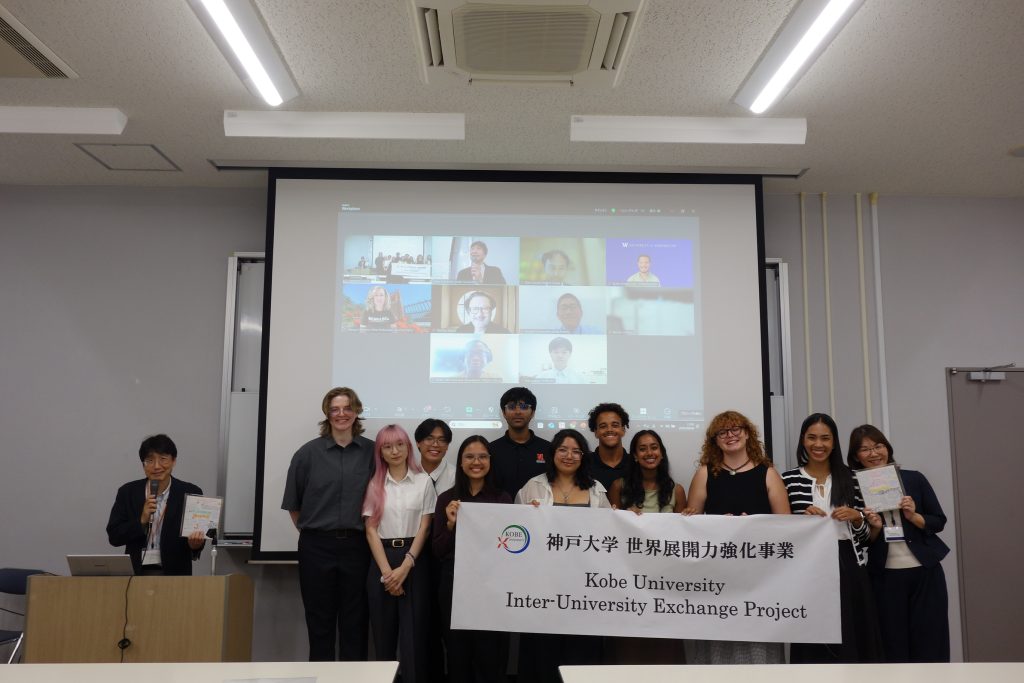
Internship Debriefing Session
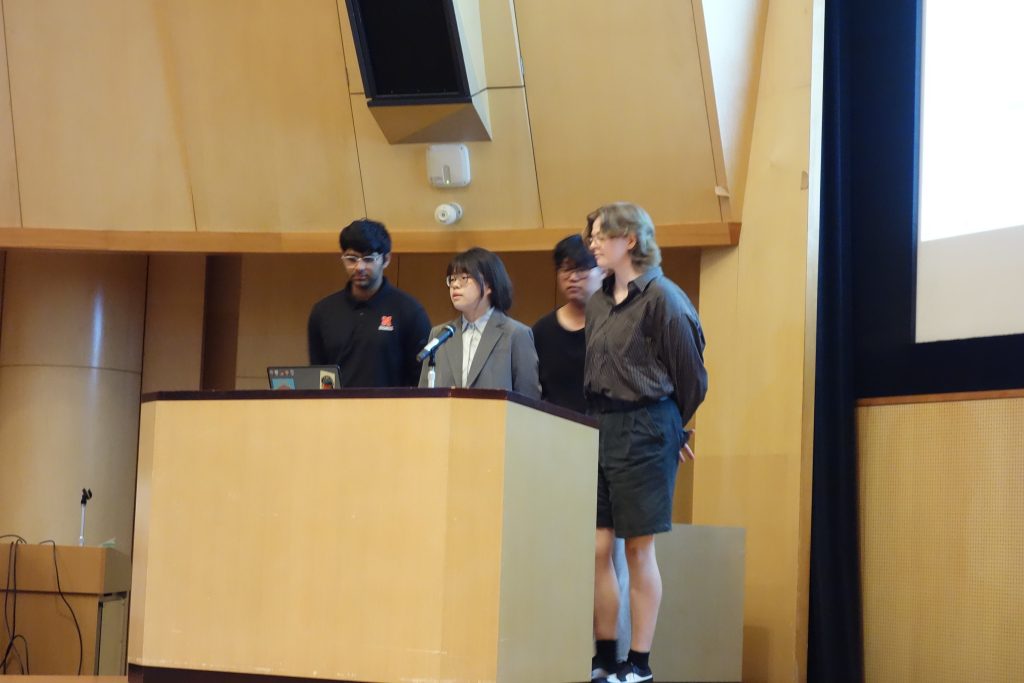
On August 8, an Internship Debriefing Session was held at Kobe University, where participating students gave presentations in English and Japanese. In addition to the participation of Kobe University's faculty, staff, students and representatives from internship host organizations in person, faculty and staff from our overseas partner universities also participated online, leading to a lively question-and-answer session.
Internship Debriefing Session at Kobe University: Internship coordinators and partner universities joined online
Here are some responses from participating students regarding what they learned during their internships.
・I learned how to navigate cultural/societal differences in background to create relationships which transcend such topics. These were professional, social and personal in nature! Outside of this, but on a similar note, I was able to experience what it truly meant to be a foreigner. As a person from the US, I think this is an important experience, as it gave me a bit more understanding on the feelings which many of us hold. Being foreign was unnerving; it presented a healthy challenge for me to attempt and succeed overcoming.
・The main things I learned from the internship would be the discipline and passion for service by the Japanese people in any field they are put into, as seen from the encounters with them at different internship sites. I also really appreciated the sustainability efforts that Japanese companies try to achieve, supported by continuing education and research by higher educational institutions like Kobe University.
・I think the overarching learning experience from this internship was about sustainability: both how it is practiced across different fields and how culture shapes those efforts. During my time with Kobe City Government, I learned the importance of maintaining strong international relationships as these partnerships allow cities to share knowledge, collaborate,and work toward common goals of social/environmental improvement. With Pasona Group, I gained insight about agricultural tourism and rural revitalization; we saw how innovation and creativity can breathe new life and opportunity into local economies like Awaji Island. At Kobe University’s farm, I learned about ethical and efficient farming practices that address the pressing challenges of climate change and food security. Kewpie factory showed me how a corporation can integrate sustainability into every level of production: from zero-waste initiatives to improving customer health through quality ingredients. But beyond these specific lessons, the internship also gave me valuable exposure to different working cultures and professional environments in Japan. Interacting with staff and observing workplace practices deepened my understanding of how organizational culture influences approach problem-solving, teamwork, and sustainability. Overall, I left with a broader perspective on how diverse sectors (from government, to agriculture, to industry) can each contribute to building a more sustainable and interconnected future.
We hope that students who participated in this program will apply their experiences here to their studies at their home universities and return to Kobe in the future.
※The “Summer School of Basic Japanese Studies” and the “Industry - Government - Academia Internship Program” was part of the “International Interdisciplinary Collaboration Program for Global Human Resource Development to solve global issues through Food-related Science, Business and Culture,” adopted under the Ministry of Education, Culture, Sports, Science and Technology (MEXT) Inter-University Exchange Project.
Graduate School of Agricultural Science Faculty of Agriculture


