We conducted the Philippines UPLB Agricultural English Training from February 21th to March 14th, 2026.
 ad_seka
This year, 30 students—25 from the Faculty of Agriculture and 5 from the Faculty of Science (1st and 2nd year students)—participated in the UPLB training program (February 21st to March 14th). Additionally, one student from UNL joined from March 7th to March 12th, participating in all activities, including lectures and the Manila trip.
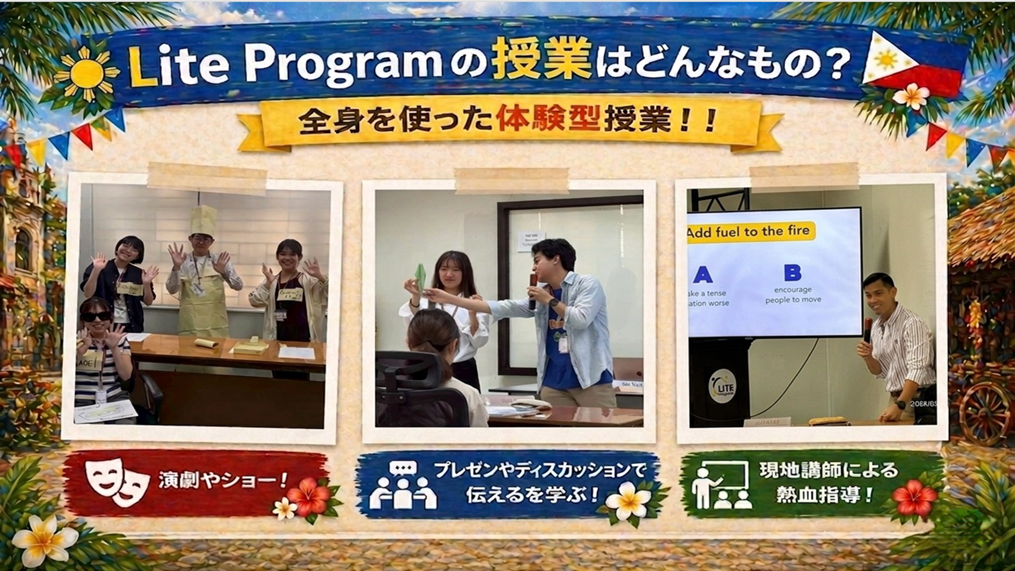
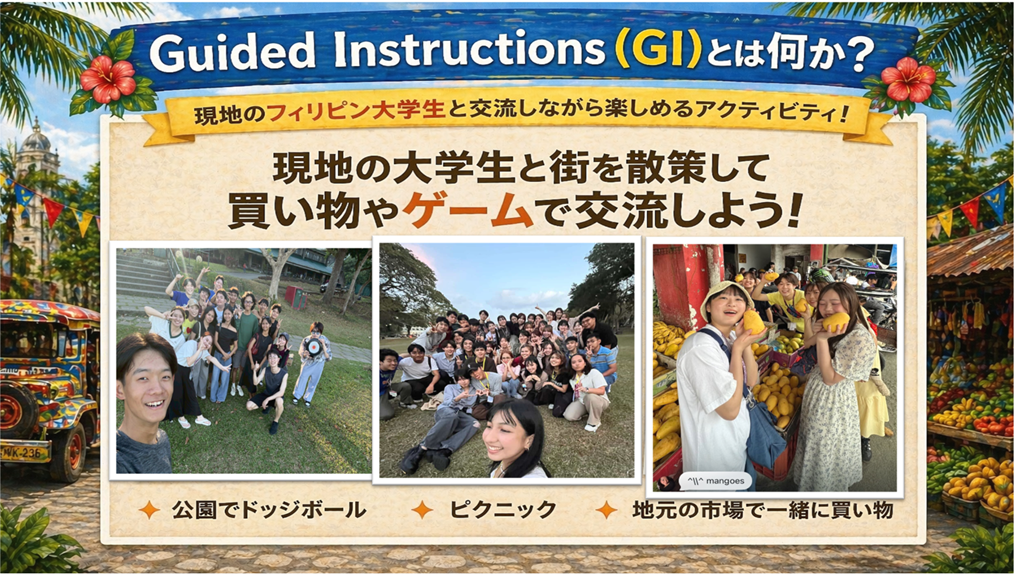
Three meals a day were provided for them, featuring a variety of Filipino dishes, which all the students enjoyed in a room while engaging in conversation. The weekday morning and afternoon English lectures, each three hours long, were divided into two mixed groups: Batch 19 (12 students) and Batch 20 (18 students), regardless of year or affiliation. Each group, led by four instructors, engaged in "active learning" activities including physical exercises, encouragement of independent thinking and participation, and practical applications (field interviews, group skits, etc.), significantly improving conversation and pronunciation skills. Two hours from 4 PM onwards, there was a "guided interaction" session, which most students described as their favorite part of the program. Two UPLB student facilitators and 3-4 participating KU students formed enjoyable groups. After returning to the hotel after dinner, a "Night Session" was held in the conference room from 7:30 PM to 9:30 PM, featuring supplementary lessons on pronunciation, homework assistance, and conversation led by three UPLB senior students, further enhancing the training effect. There were also plenty of out-of-class activities. In the first week, students unleashed their energy with passionate singing at the karaoke competition, and the International Rice Research Institute (IRRI), one of the UPLB field trip destinations, was a huge hit, with some students even citing the IRRI visit as their motivation for choosing Kobe University. This year, everyone was fortunate enough to be invited to a dinner hosted by the university president. In the second week, students visited four biology-related research laboratories, and during a tour of Escudero village, they enjoyed a buffet lunch "in" the river stream, swimming in the pool, and playing on bamboo boats. In the third week, they traveled to Manila, experiencing Philippine history and nature at Fort Santiago, Manila Cathedral, and the National Museum of Natural History. At the closing ceremony, there were comedy plays presented by four groups of KU students, and speeches by the valedictorian of each batch. Then a beautiful and friendly chorus by the facilitators, everyone hugged each other, shedding tears. At the post-course study session, 10 days after coming back to Japan, many students said, "These were the most fulfilling three weeks of my life." I believe these connections will last a lifetime and will form the standard of their global perspective.