Activity Report- Agricultural Science & Engineering and Cultural Experiences in Kobe (June 1 to June 27, 2026)
 ad_seka
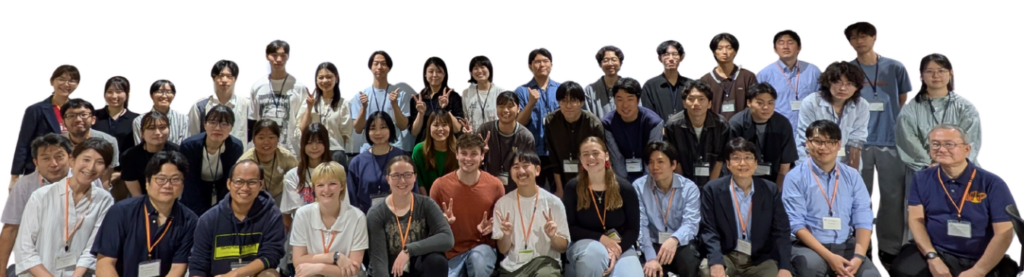
From June 1 to 27, 2026, the four-week Kobe Summer Program: Agricultural Science & Engineering and Cultural Experiences in Kobe was held. 5 students participated in this program from the University of Nebraska-Lincoln (UNL).
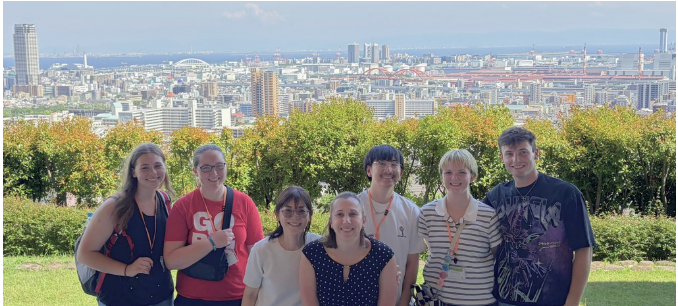
Integrating scientific research with cultural experiences. The program lasted for a month, allowing participants to deepen their understanding of Japanese culture while engaging in practical learning and research alongside Kobe University, department of agriculture, faculty and students.
Lectures
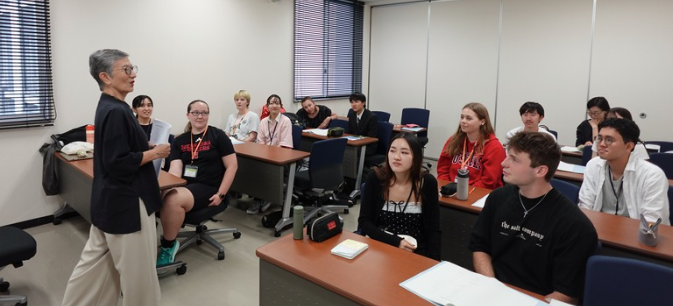
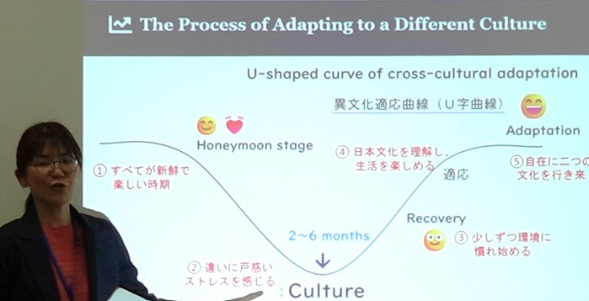
June 2-5 were lecture filled days for basic Japanese learning facilitated by Prof. Watanabe as well as intercultural understanding done by Prof. Ikemura.
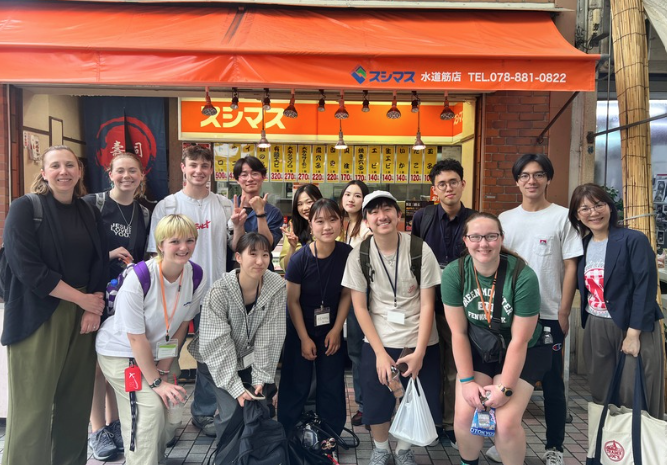
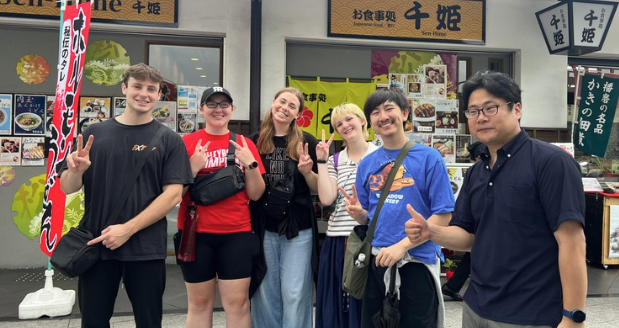
The international students, accompanied by Kobe University students, had fun exploring the Japanese flea market “Suidosuji” in Kobe, fostering deeper cross-cultural learnings.
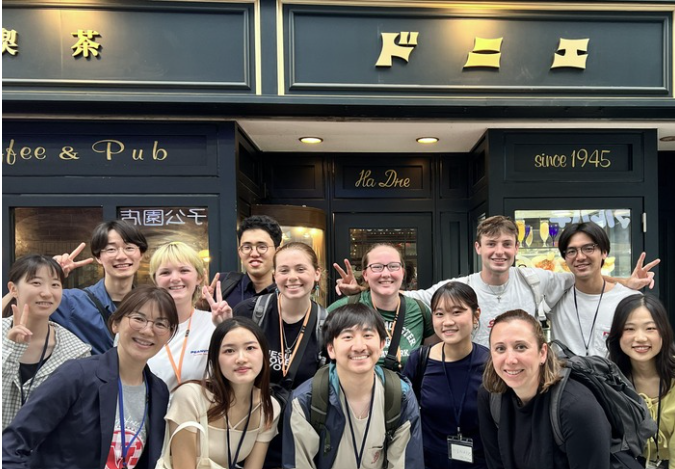
Excursions
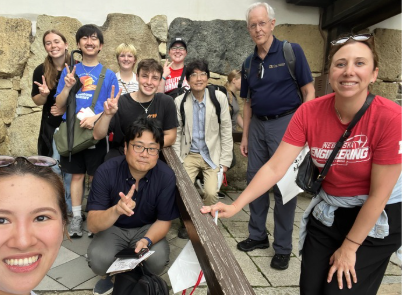
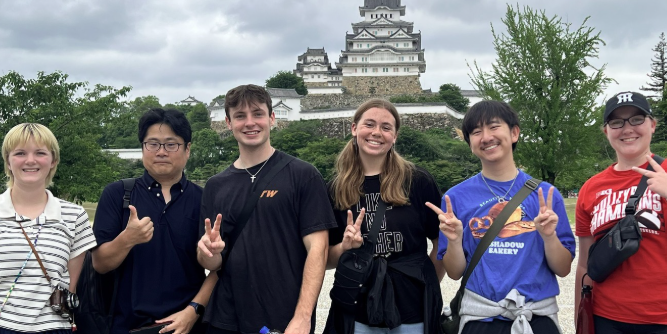
Himeji Castle
A fun tour at Himeji Castle showcased Japanese history to the students. Here they learned of the feudal Japanese military – samurai defense systems, and hundred years old complex Japanese architectural construction.
Kikumasamune Brewery
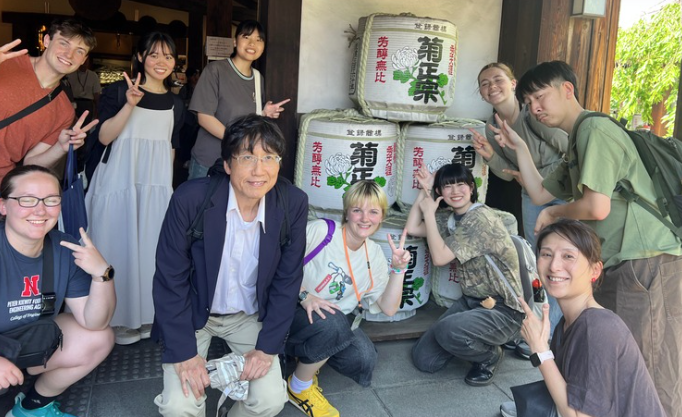
Kikumasamune Sake Brewery Museum offers a glimpse to an almost 400 year old Japanese culture of sake making. It highlighted Nada’s mineral abundance, particularly the city’s water, as it’s the main ingredient for this global award-winning Japanese alcohol.
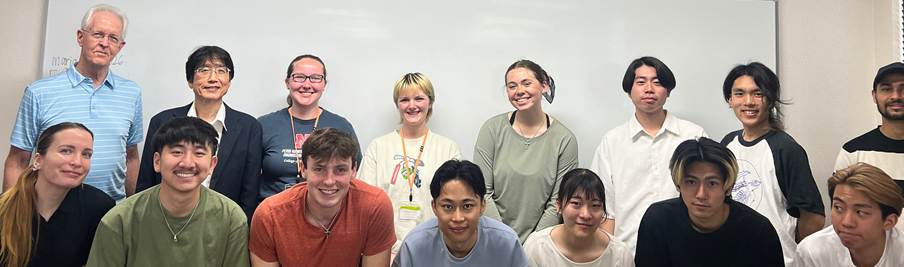
Dean and head of the program Prof. Shirai (center) and Assistant Prof. Aihara (front right)
Energy, Environment, and Policy Lecture
June 9 to June 12 were dedicated for lectures on Japanese and American energy and environment policies spearheaded by Prof. Brian Woodall of Georgia Institute of Technology. It culminated with participants working with Kobe University students on comparing disaster preparedness measures between the United States and Japan.
Laboratory Research
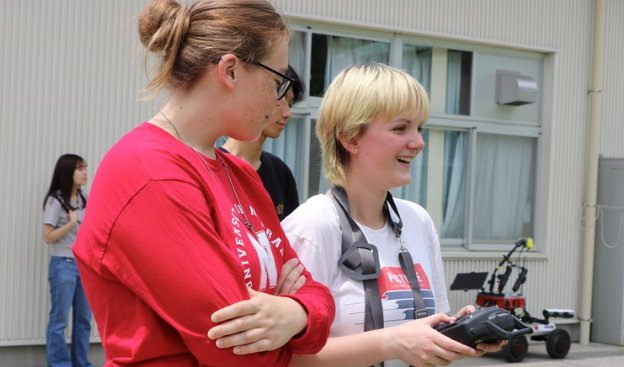
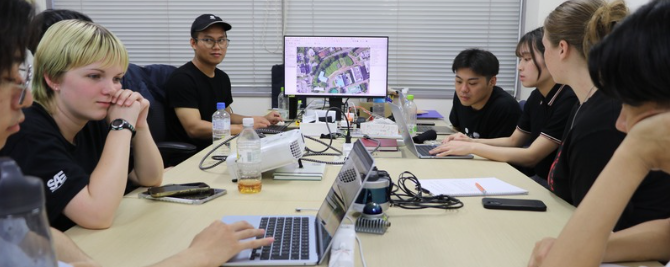
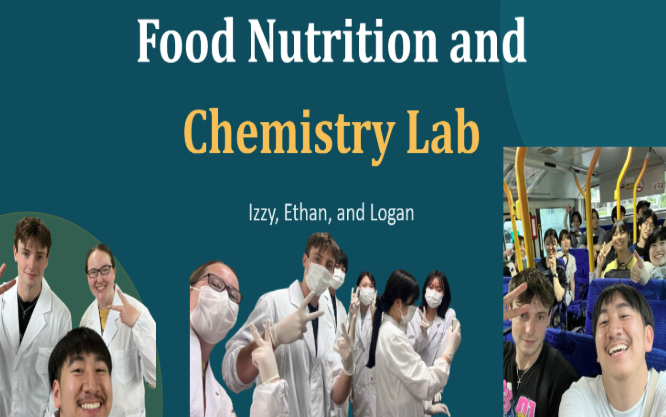
Participants were divided into two groups, one for laboratory experience on mechanical engineering of bioproduction and the other for food and nutritional chemistry. These were carried out together with Kobe University students, under the guidance of faculty members in each field.
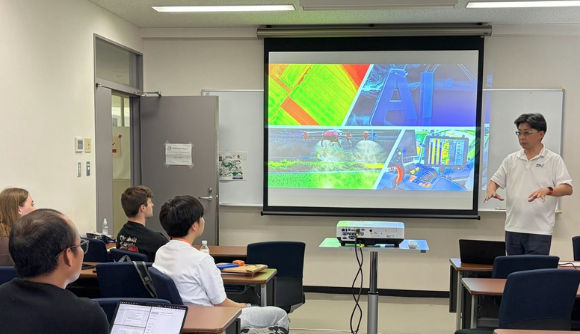
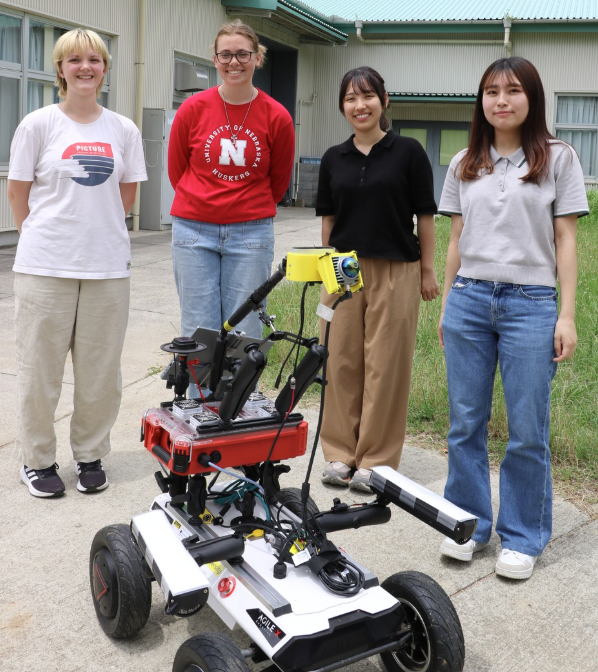
Mechanical engineering of bioproduction group, under the guidance of Associate Prof. Eiji Morimoto and Assistant Prof. Jaehwan Lee, was focused on plant health and productivity. They were taught how to make maps for crop growth monitoring, specifically how to get data from the field using LiDAR sensor and Global Navigation Satellite System (GNSS). They also learned to make maps using Quantum GIS software.
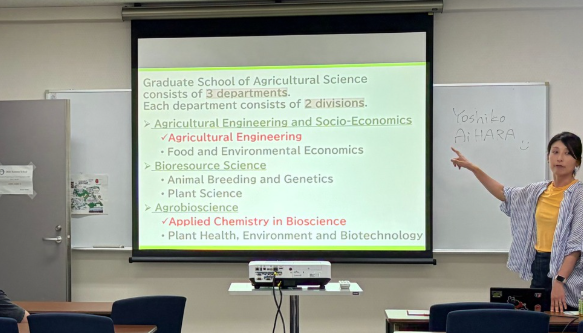
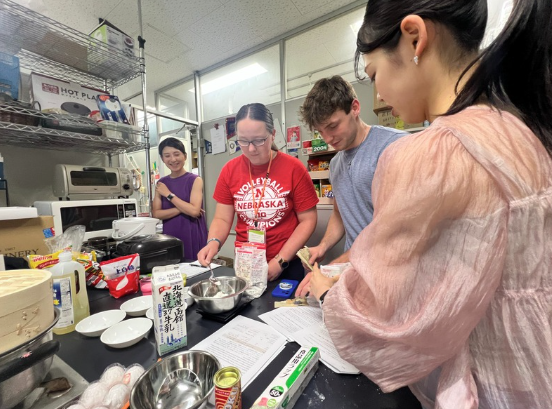
In the food and nutritional chemistry group, under the guidance of Assistant Professor Yoshiko Aihara, the students learned how to investigate the chemical and physical properties of food components
through hands-on experiments. The topics included fatty acids (the flavour of wagyu beef), protein denaturation (the texture of sushi and onsen eggs), carbohydrates (the texture of rice and bread, and how batters rise), and polyphenols (how tea type and brewing conditions change their content and taste).
Quick Highlights
"I learned how to work through language barriers and adapt to learning in an environment that is very different from the one I am used to.” – Izabella Zoucha
"What I learned most are ways to relate experimental engineering with real world infrastructure and farmers.” – Mackenzie Bolton
"I really enjoyed the opportunity to experience college in another country, make new friends, explore Kobe, and practice my Japanese language skills." - Hazel Pedersen